Bienestar y Salud
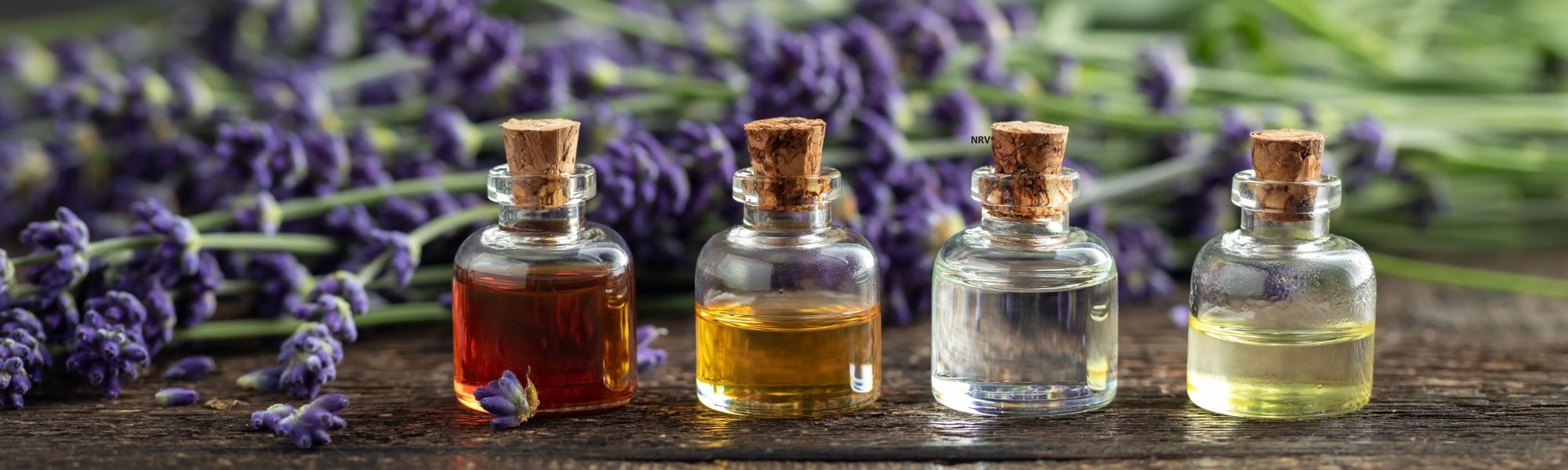
Lavender extract
Lavender extract is derived from the flowers of the Lavandula angustifolia plant, a well-known herb famous for its pleasant fragrance and calming properties. It's often used in aromatherapy, teas, oils, and as a supplement in capsule or tincture form. Lavender extract is known for its therapeutic effects on both the body and mind.
Los beneficios
Reduces Anxiety and Stress
Lavender has strong calming effects, making it one of the most popular natural remedies for stress and anxiety. It is believed to work by promoting relaxation through its influence on the nervous system, reducing symptoms of anxiety, and lowering cortisol levels (the stress hormone). Lavender oil is often used in aromatherapy to help calm nerves.
Improves Sleep Quality
Lavender is renowned for its ability to improve sleep. It promotes a relaxed state that aids in falling asleep more easily, and studies suggest it can enhance the quality of sleep. This benefit makes lavender extract especially useful for those dealing with insomnia or restless nights.
Alleviates Pain and Headaches
Lavender has analgesic (pain-relieving) properties. It is commonly used to relieve tension headaches, migraines, and muscle pain. A few drops of lavender oil in a warm bath, or using a lavender extract in a compress, can help soothe aches and reduce inflammation.
Cómo incorporar lavender extract en tu rutina
Incorporating lavender extract into your daily routine is quite easy, and it can be done in several ways depending on your needs—whether it's for relaxation, better sleep, or stress relief. Here’s how you can use lavender extract throughout the day:
For Stress and Anxiety Relief (Daytime Use):
Morning or midday routine:
Capsule or tincture: Take 100–200 mg of lavender extract in the morning or during the afternoon when stress tends to peak. This can help keep anxiety levels in check.
Aromatherapy: Diffuse a few drops of lavender essential oil into the air at your workspace or during breaks. You can also place a few drops on a handkerchief and inhale throughout the day.
Topical application: Apply diluted lavender oil (in a carrier oil like coconut or jojoba) to pulse points (wrists, temples) when you feel anxious or stressed.
This will help promote relaxation without causing drowsiness during the day.
For Better Sleep (Evening Use):
Evening or bedtime routine:
Tea: Brew lavender tea 30 minutes to 1 hour before bed. This can gently calm your nerves and help you wind down.
Lavender oil (Aromatherapy): Diffuse lavender essential oil in your bedroom before you sleep, or apply a few drops to your pillow or bedding.
Capsules or tincture: Take lavender extract 1–2 hours before bedtime for a more potent, calming effect to aid in falling asleep.
The calming properties of lavender can help ease you into a restful, deep sleep.
General Wellness (Daily Use):
Bath: Add a few drops of lavender essential oil or lavender extract to a warm bath to help relieve muscle tension, reduce stress, and enhance relaxation.
Skin Care: Lavender extract can also be used in your skincare routine, especially for soothing irritated skin or calming redness. Look for creams or serums that feature lavender as a key ingredient.
How to use lavender extract effectively:
Method
When to Take/Use
Tip
Capsule
Morning or evening
For consistent daily anxiety or stress relief
Tincture
Morning or evening
Can be mixed into drinks or taken directly for quick relief
Tea
30–60 minutes before bed
Relaxing pre-sleep ritual
Aromatherapy
Throughout the day or evening
Diffuse at your desk or during bedtime for relaxation
Bath
Evening
Helps ease muscle tension and calm your mind
A few considerations:
Pregnancy/Breastfeeding: Always consult your doctor before using lavender extract in large amounts during pregnancy or breastfeeding.
Topical application: If you're using essential oils on the skin, always dilute them properly with a carrier oil to avoid irritation.
Allergies: Some people may be allergic to lavender, so test a small amount first to ensure you don't have a reaction.