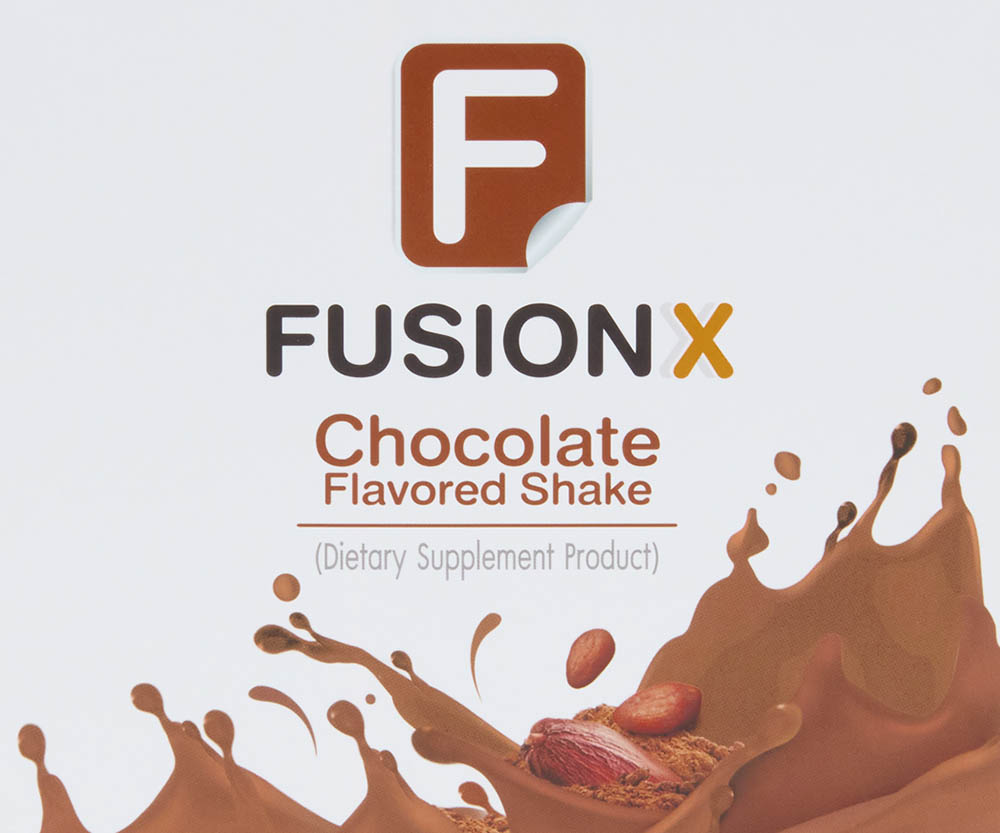
Wellness & Health
Riboflavin 98%
The Benefits
Energy Production
One of the most crucial benefits of riboflavin is its role in energy production. As a key component of coenzymes involved in metabolic reactions, riboflavin helps break down carbohydrates, fats, and proteins, converting them into the energy our cells need to function effectively. Individuals with sufficient riboflavin levels are better equipped to maintain optimal energy levels, supporting overall vitality and endurance.
Antioxidant Defense
Riboflavin's contribution to antioxidant activity is another significant benefit. By neutralizing harmful free radicals, riboflavin helps protect cells from oxidative stress. This not only supports the overall health of tissues and organs but also plays a role in slowing down the aging process. Antioxidants, including riboflavin, are essential for maintaining cellular integrity and reducing the risk of various chronic diseases.
Vision Maintenance
Riboflavin is essential for maintaining healthy eyes and supporting vision. Its involvement in the function of the enzyme glutathione reductase helps protect the eyes from oxidative damage, reducing the risk of eye disorders. Adequate riboflavin levels contribute to good ocular health, promoting clear vision and potentially reducing the risk of conditions such as cataracts and age-related macular degeneration.
How to incorporate Riboflavin 98% in Your Daily Routine
Incorporating riboflavin into your daily routine is essential for maintaining overall health and well-being.

Here are some practical tips on how to ensure an adequate intake of riboflavin:
Include Dairy Products: Dairy products such as milk, yogurt, and cheese are rich sources of riboflavin. Incorporate these items into your diet as snacks, in smoothies, or as ingredients in various recipes to boost your riboflavin intake.
Lean Meats and Fish: Include lean meats like chicken and turkey in your meals. Fish, especially salmon and trout, is also a great source of riboflavin. Grill, bake, or steam these protein sources for a healthy and delicious addition to your diet.
Eggs: Eggs, both the yolk and the white, contain riboflavin. Enjoy eggs as part of your breakfast, incorporate them.
Leafy Greens: Vegetables like spinach and broccoli are excellent plant-based sources of riboflavin. Include these leafy greens in salads, stir-fries, or as side dishes to ensure a good supply of riboflavin.
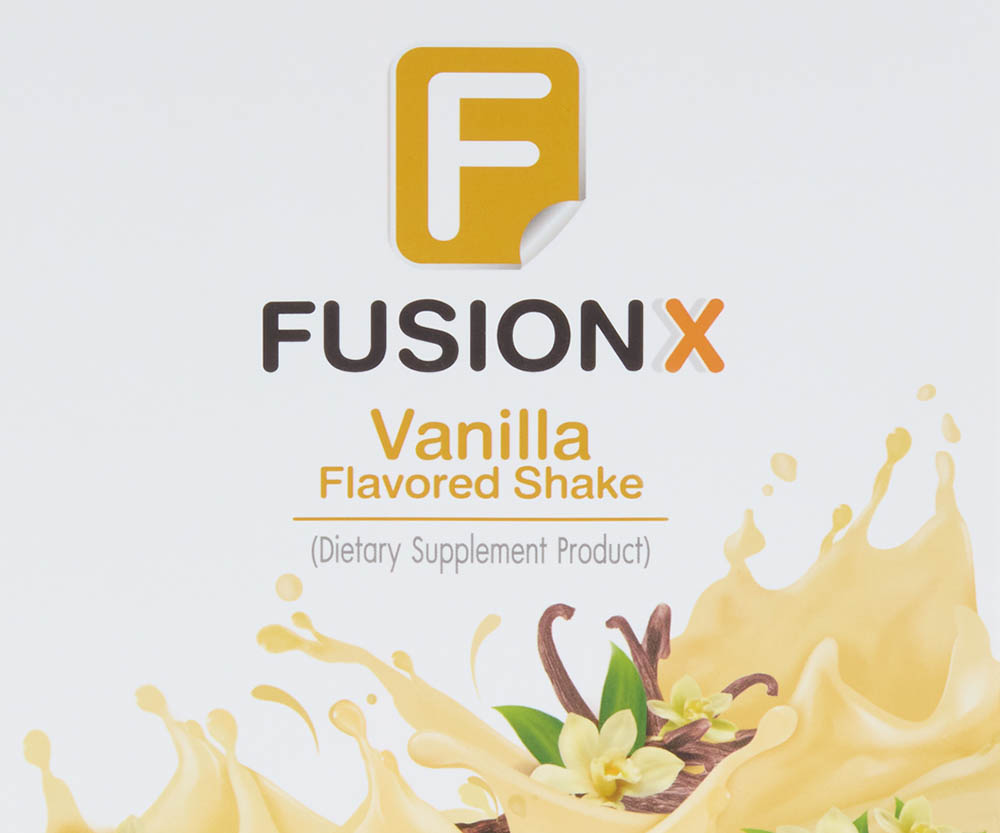
Fusion X Vanilla flavored shake
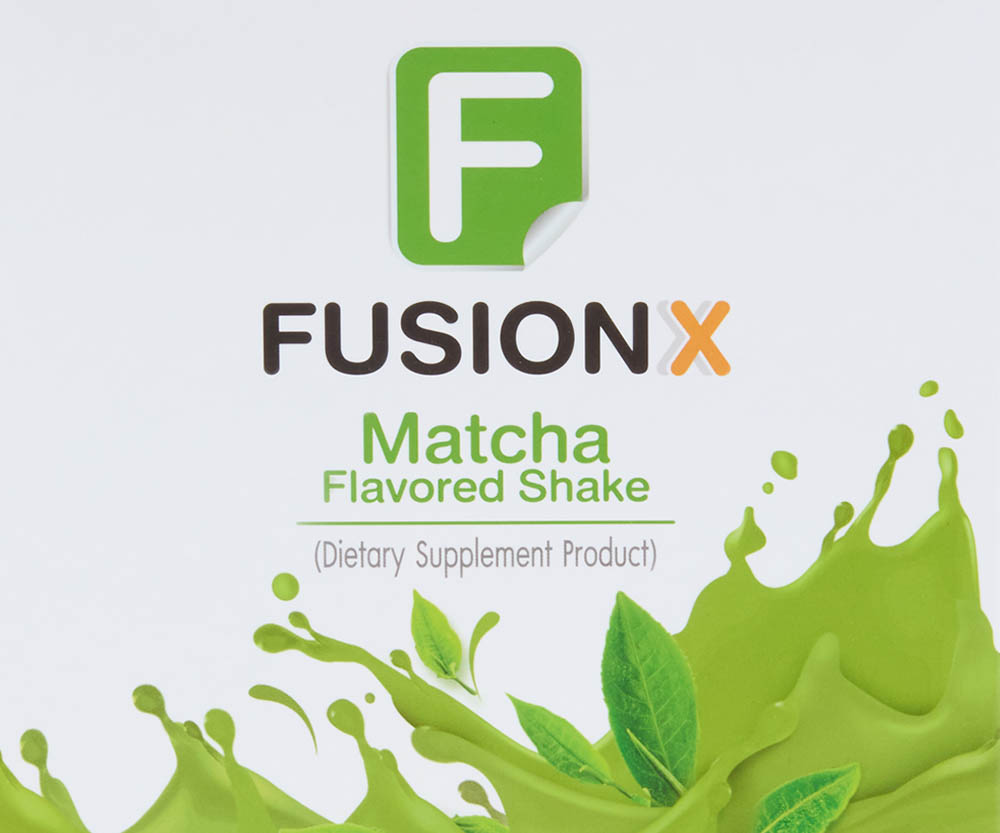
Fusion Matcha flavored shake