Wellness & Health
Sodium Hyaluronate
The Benefits
Intense Hydration
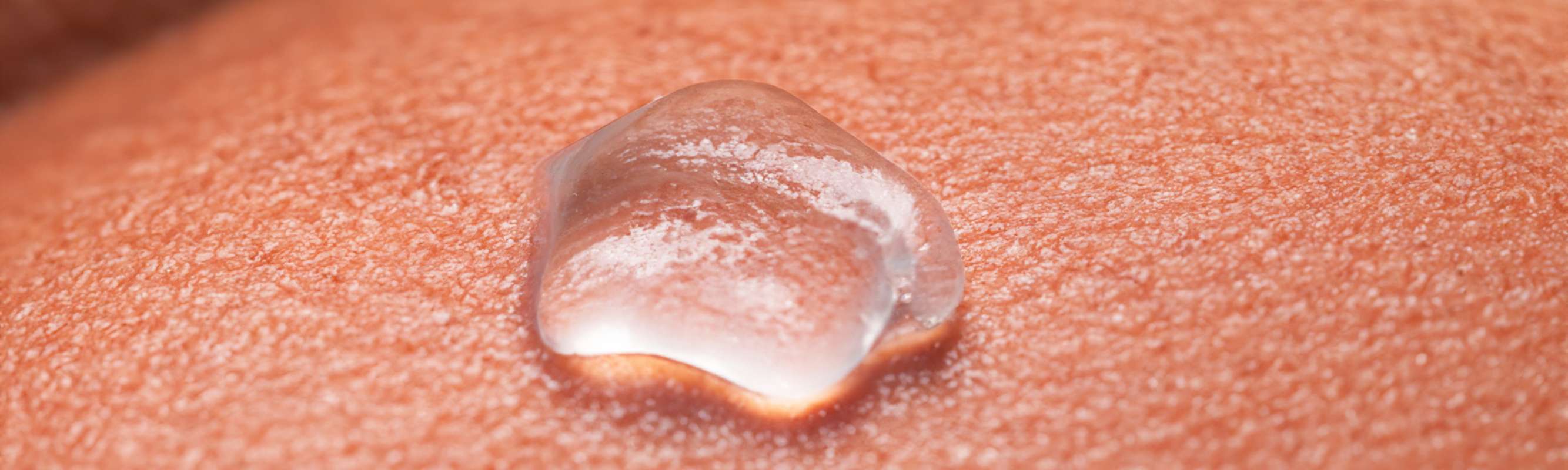
Sodium Hyaluronate is renowned for its ability to deeply hydrate the skin. When applied topically, it attracts and retains water in the skin's layers, promoting a plump and well-hydrated complexion. This makes it an ideal ingredient for those with dry or dehydrated skin.
Fine Line and Wrinkle Reduction
As the skin ages, it loses its natural ability to retain moisture, leading to the formation of fine lines and wrinkles. Sodium Hyaluronate helps counteract this by replenishing the skin's moisture levels, visibly reducing the appearance of wrinkles and promoting a smoother, more youthful complexion.
Boosts Collagen Production
Collagen is a crucial protein for maintaining skin elasticity and firmness. Sodium Hyaluronate stimulates the production of collagen, contributing to improved skin structure and resilience. This makes it a valuable asset in anti-aging skincare routines.
How to incorporate Sodium Hyaluronate in Your Daily Routine
Using Sodium Hyaluronate (hyaluronic acid) in your daily skincare routine is a great way to maintain hydration and promote healthy, plump skin.

Here's a simple guide on how to incorporate it into your daily skincare regimen:
1. Cleansing: Start with a gentle cleanser to remove any impurities, makeup, or sunscreen from your face. This creates a clean canvas for the subsequent products to be absorbed effectively.
2. Toner (Optional): If you use a toner in your routine, apply it after cleansing. Toners can help balance your skin's pH levels and prepare your skin to absorb subsequent products. Look for a toner with hydrating ingredients to enhance the overall moisture content of your skin.
3. Sodium Hyaluronate Serum: The core of your routine should be a Sodium Hyaluronate serum. Apply a few drops of the serum to your face and neck. Gently pat and press the serum into your skin, allowing it to absorb fully. Serums with different molecular weights of hyaluronic acid can provide hydration at various levels of the skin.
4. Eye Cream (Optional): If you use an eye cream, apply it before your moisturizer. Look for an eye cream that contains hyaluronic acid to address the delicate skin around the eyes.
5. Moisturizer: Follow up with a moisturizer to lock in the hydration. The moisturizer helps create a barrier on the skin to prevent moisture loss throughout the day. If your moisturizer doesn't already contain hyaluronic acid, you can still layer it over your serum for added benefits.
6. Sunscreen As with any skincare routine, consistency is key. Adjust the steps based on your skin's needs and observe how it responds over time. If you have specific concerns or conditions, it's advisable to consult with a dermatologist for personalized advice.