Wellness & Health
Niacin
Niacin, also known as nicotinic acid or nicotinamide, belongs to the family of B-vitamins and plays a crucial role in maintaining optimal health. This water-soluble vitamin is essential for various bodily functions, contributing to energy metabolism, skin health, and the proper functioning of the nervous system. In this article, we will explore the significance of niacin, its sources, benefits, and potential risks.
The Benefits
Energy Metabolism
Niacin plays a pivotal role in the process of energy metabolism. As a key component of coenzymes involved in cellular respiration, niacin helps convert carbohydrates, fats, and proteins into usable energy. This essential function is vital for sustaining the body's overall energy levels, supporting physical activity, and ensuring the efficient utilization of nutrients.
Cardiovascular Health
One of the most significant benefits of niacin is its positive impact on cardiovascular health. Niacin has been shown to increase levels of high-density lipoprotein (HDL) cholesterol, often referred to as "good" cholesterol. Simultaneously, it can decrease levels of low-density lipoprotein (LDL) cholesterol and triglycerides. This dual effect contributes to the maintenance of a healthy lipid profile, reducing the risk of cardiovascular diseases such as heart attacks and strokes.
Skin Health
Niacin is closely associated with the maintenance of healthy skin. It participates in the synthesis of compounds essential for skin integrity, such as NAD (nicotinamide adenine dinucleotide) and NADP (nicotinamide adenine dinucleotide phosphate). This involvement in skin health makes niacin beneficial for addressing various dermatological conditions. Whether applied topically or consumed through the diet, niacin contributes to the overall well-being and appearance of the skin, helping manage conditions like acne and promoting a radiant complexion.
How to incorporate Niacin in Your Daily Routine
Incorporating niacin into your daily routine can be achieved through a combination of dietary choices and, if necessary, supplementation.
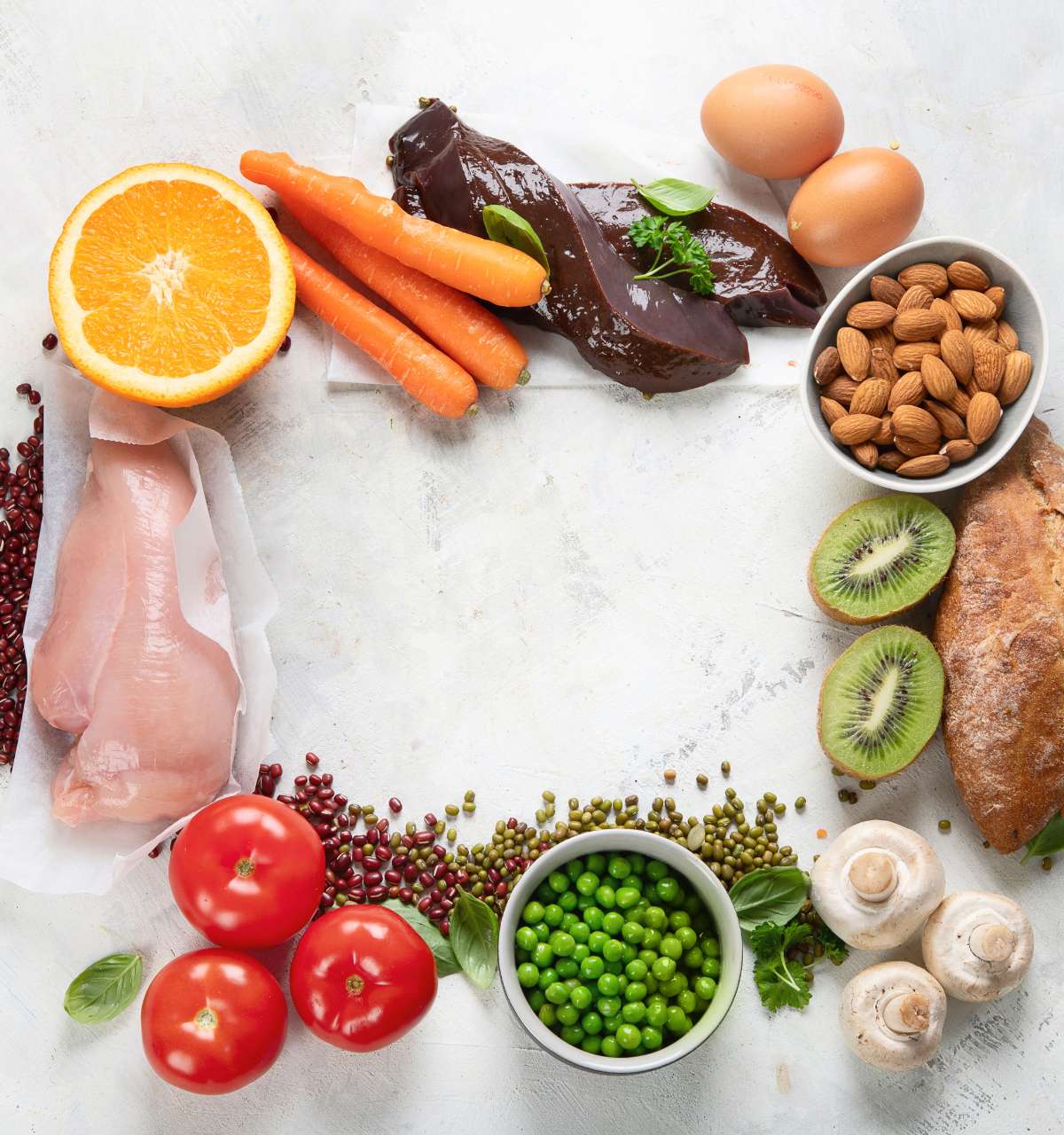
Here are some practical ways to ensure you're getting an adequate amount of niacin:
Dietary Sources:
- Include niacin-rich foods in your meals. Meats such as poultry, beef, and fish are excellent sources. Other options include whole grains, legumes, nuts, dairy products, and vegetables like mushrooms and avocados.
- Opt for whole, minimally processed foods to maximize the nutritional content of your meals.
Balanced Diet:
- Aim for a well-balanced diet that includes a variety of food groups. This not only ensures sufficient niacin intake but also provides a range of other essential nutrients for overall health.
- Consider consulting with a nutritionist to create a personalized diet plan that meets your specific needs.
Meal Planning:
- Plan your meals ahead to incorporate niacin-rich ingredients. This can be especially helpful for individuals with specific dietary preferences or restrictions.
- Experiment with diverse recipes that incorporate niacin-containing foods. For example, you can prepare a balanced stir-fry with lean meats, vegetables, and whole grains.
Niacin Supplements:
- If dietary sources alone are insufficient or if you have specific health concerns, consider niacin supplements. However, it's crucial to consult with a healthcare professional before starting any supplementation to determine the appropriate dosage.
- Niacin supplements come in different forms, such as immediate-release (IR) and extended-release (ER). Your healthcare provider can guide you on the right formulation based on your needs.
Fortified Foods: Some foods are fortified with niacin, especially certain breakfast cereals and nutritional beverages. Check food labels to identify products that have been enriched with niacin.
Snacking Smart: Snack on niacin-rich options. For instance, a handful of peanuts or a yogurt parfait with fruits and nuts can contribute to your daily niacin intake.
Cooking Techniques: Use cooking techniques that preserve the niacin content in food. For example, avoid overcooking vegetables or boiling them for extended periods, as this can lead to nutrient loss.