Wellness & Health
N-Pteroyl-L-glutamic Acid
The Benefits
Neural Tube Development in Pregnancy
One of the most crucial benefits of folic acid is its role in preventing neural tube defects during early pregnancy. Adequate folic acid levels in expectant mothers are associated with a lower risk of conditions such as spina bifida and anencephaly, which can have profound and lifelong impacts on the health and development of the fetus.
Megaloblastic Anemia Prevention
Folic acid is essential for the production of red blood cells, and its deficiency can lead to megaloblastic anemia. This condition is characterized by the production of large, immature red blood cells that cannot function properly. By ensuring an adequate supply of folic acid, individuals can prevent and address megaloblastic anemia, promoting healthy blood cell formation and oxygen transport throughout the body.
Cardiovascular Health
Folic acid has been linked to cardiovascular health, specifically in its role in reducing levels of homocysteine—a compound associated with an increased risk of cardiovascular diseases. By participating in methylation reactions, folic acid helps regulate homocysteine levels, contributing to a healthier cardiovascular system and reducing the risk of conditions such as heart disease and stroke.
How to incorporate N-Pteroyl-L-glutamic Acid in Your Daily Routine

Here are some tips on how to incorporate folic acid into your daily life:
1. Dietary Sources:
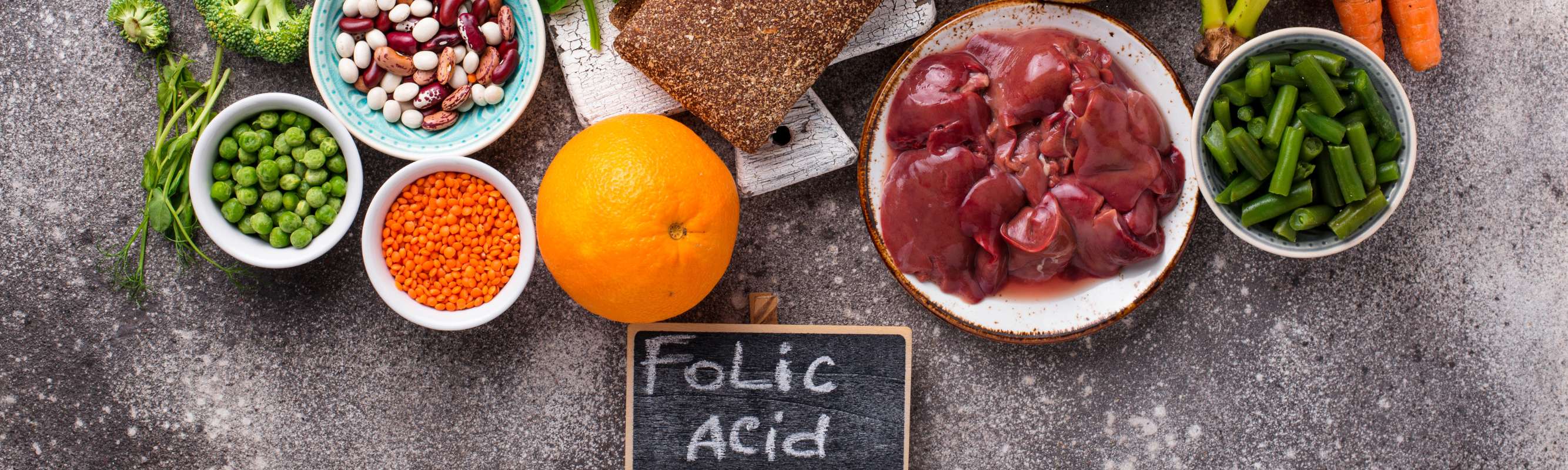
• Consume folate-rich foods: Include a variety of folate-rich foods in your diet, such as leafy green vegetables (spinach, kale, broccoli), legumes (beans, lentils), nuts, seeds, and liver.
• Choose fortified foods: Many breakfast cereals, bread, and other grain products are fortified with folic acid. Check food labels to identify fortified options and incorporate them into your meals.
2. Cooking Practices:
• Opt for minimal processing: Folic acid is sensitive to heat and can be lost during cooking. Choose cooking methods that retain the nutrient content, such as steaming or microwaving, and try to minimize boiling, which can lead to nutrient loss in cooking water.
• Preserve nutrient content: Store fruits and vegetables properly to maintain their nutrient content. Keep them refrigerated and avoid prolonged exposure to light and air.
3. Supplements:
• Consult with a healthcare professional: If you have specific health concerns or dietary restrictions that may affect your folic acid intake, consult with a healthcare professional. They can provide personalized advice on whether folic acid supplementation is necessary for you.
4. Meal Planning:
• Plan balanced meals: Create well-rounded meals that include a variety of food groups. This not only ensures a diverse range of nutrients but also contributes to meeting your folic acid requirements.
5. Awareness and Education:
• Stay informed: Be aware of the importance of folic acid and its sources. Understanding the role it plays in your health can motivate you to make conscious choices when it comes to your diet.
6. Pregnancy Considerations:
• If you are pregnant or planning to conceive, follow healthcare guidelines for folic acid supplementation.