Wellness & Health
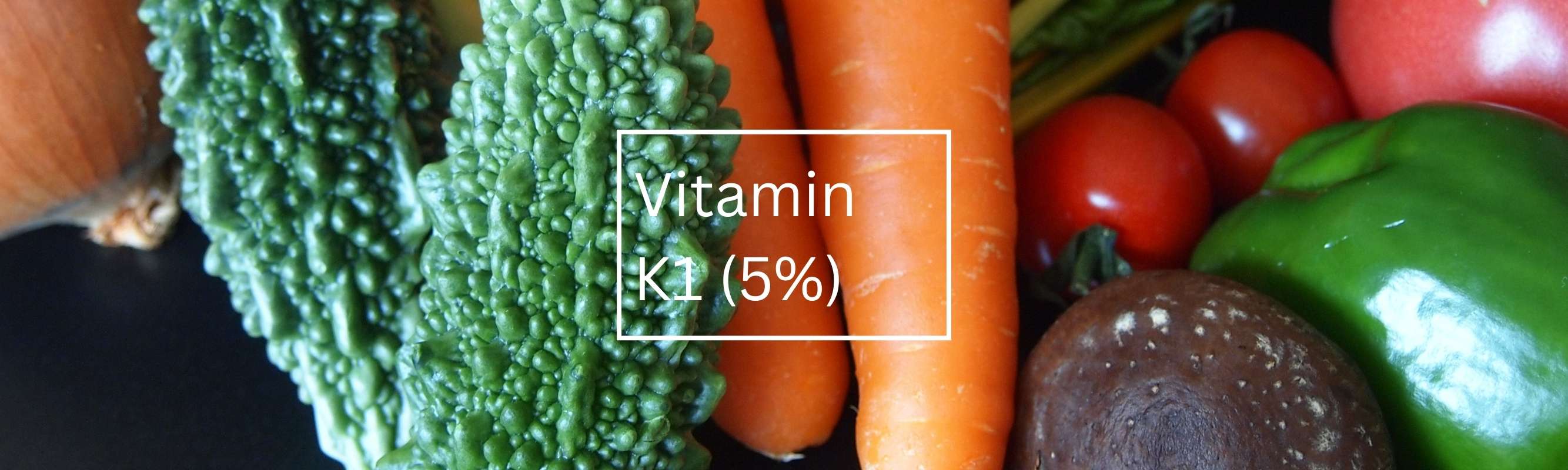
Vitamin K1
The Benefits
Blood Clotting Regulation
Vitamin K1 is crucial for the synthesis of proteins involved in blood clotting. Without adequate vitamin K1, the blood clotting process would be impaired, leading to an increased risk of bleeding disorders. Ensuring sufficient vitamin K1 intake is essential for maintaining a balanced and effective blood clotting mechanism.
Bone Health and Mineralization
Emerging research indicates that vitamin K1 contributes to bone health by playing a role in bone mineralization. It is believed to regulate the deposition of calcium within the bones, which is vital for maintaining skeletal strength and reducing the risk of fractures. Incorporating vitamin K1-rich foods can potentially support overall bone health.
Potential Cardiovascular Health Benefits:
Some studies suggest that vitamin K1 may have positive effects on cardiovascular health. Adequate intake of vitamin K1 has been associated with a reduced risk of arterial calcification, a process linked to cardiovascular diseases. While more research is needed to establish a clear connection, the potential cardiovascular benefits add another layer of importance to ensuring sufficient vitamin K1 levels in the body.
How to incorporate Vitamin K1 in Your Daily Routine

Here are some practical ways to ensure an adequate intake of vitamin K1:
1. Include Leafy Greens in Meals: Leafy green vegetables are among the richest sources of vitamin K1. Incorporate kale, spinach, broccoli, Brussels sprouts, and other greens into your meals. Add them to salads, stir-fries, soups, or enjoy them as a side dish.
2. Choose Vitamin K1-Rich Oils: Opt for cooking oils that contain vitamin K1, such as soybean oil and canola oil. Use these oils for sautéing, roasting, or dressing salads. However, it's important to use them in moderation to maintain a balanced diet.
3. Fresh Herbs for Flavor and Nutrients: Enhance the flavor of your meals while boosting your vitamin K1 intake by incorporating fresh herbs like parsley, basil, cilantro, and others. Add them to salads, soups, sauces, or as a garnish for various dishes.
4. Snack on Veggies: Keep cut vegetables like cucumber, bell peppers, and cherry tomatoes on hand for quick and healthy snacks. Pair them with hummus or a yogurt-based dip to make your snacks both tasty and nutritious.
Fusion Matcha flavored shake