Wellness & Health
Vitamin B9
The Benefits
Cell Division and DNA Synthesis
Vitamin B9 is crucial for cell division and DNA synthesis, foundational processes that contribute to growth, development, and tissue repair. By supporting these essential functions, Vitamin B9 plays a pivotal role in maintaining overall health and well-being.
Prevention of Neural Tube Defects
One of the most critical benefits of Vitamin B9, particularly during pregnancy, is its role in preventing neural tube defects in the developing fetus. Adequate folate intake by expectant mothers significantly reduces the risk of serious abnormalities in the brain and spinal cord of the growing baby.
Neurological Health and Cognitive Function:
Vitamin B9 is essential for optimal brain function and the synthesis of neurotransmitters. Adequate levels of folate are associated with better cognitive function and a reduced risk of neurodevelopmental disorders. This makes Vitamin B9 a key player in maintaining neurological health throughout various stages of life, from infancy to old age.
How to incorporate Vitamin B9 in Your Daily Routine

Here are practical tips on how to ensure an adequate intake of this essential nutrient:
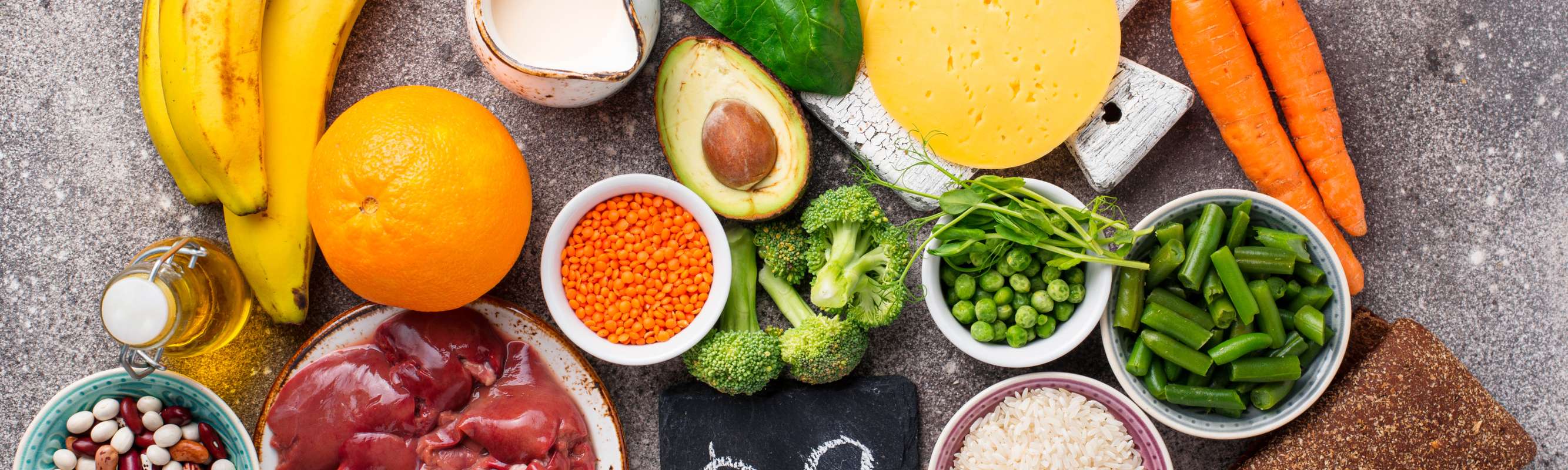
1. Include Leafy Greens in Meals: Make leafy green vegetables a regular part of your meals. Spinach, kale, collard greens, and broccoli are excellent sources of folate. Consider adding them to salads, stir-fries, omelets, or smoothies to boost your daily intake.
2. Choose Whole Grains: Opt for whole grains such as brown rice, quinoa, and whole wheat bread. Whole grains not only provide essential nutrients, including folate, but also offer dietary fiber, contributing to overall health.
3. Incorporate Legumes: Legumes, including lentils, chickpeas, and black beans, are rich sources of folate. Add them to soups, stews, salads, or use them as a meat substitute in various dishes to increase your Vitamin B9 intake.
4. Enjoy Citrus Fruits: Citrus fruits like oranges, grapefruits, and lemons are not only refreshing but also contain folate. Snack on citrus fruits or incorporate them into your breakfast and desserts for a tasty way to meet your Vitamin B9 needs.
5. Consume Fortified Foods: Some food products, such as breakfast cereals and certain types of bread, are fortified with folic acid, the synthetic form of Vitamin B9. Check food labels and consider including these fortified options in your diet, especially if natural sources are limited.
6. Plan Balanced Meals: Aim for a well-balanced diet that includes a variety of food groups. By diversifying your food choices, you increase the likelihood of obtaining the necessary nutrients, including Vitamin B9, in appropriate amounts.
7. Consider Supplementation When Necessary: In certain situations, such as during pregnancy or for individuals with absorption disorders, supplementation may be recommended. Consult with a healthcare professional to determine if a Vitamin B9 supplement is appropriate for your specific needs.
8. Be Mindful of Cooking Methods: Some cooking methods can lead to the loss of folate in foods. To retain maximum nutrients, consider steaming or microwaving vegetables, and avoid overcooking.