Wellness & Health
Niacina
Niacin, also known as vitamin B3, is a vital nutrient that plays a crucial role in maintaining our overall health and well-being. This essential water-soluble vitamin is known for its diverse range of benefits, from supporting cardiovascular health to promoting healthy skin. In this article, we'll delve into the world of niacin, exploring its functions, dietary sources, recommended intake, and the potential health benefits it offers.
The Benefits
Cardiovascular Health
Niacin is well-known for its significant impact on cardiovascular health. It can help improve the lipid profile by increasing HDL (good) cholesterol levels and decreasing LDL (bad) cholesterol levels. This effect can reduce the risk of atherosclerosis and lower the chances of heart disease. Additionally, niacin may have a positive impact on triglyceride levels, further supporting heart health.
Energy Production
Niacin plays a vital role in the body's energy production processes. It is a key component of coenzymes NAD (nicotinamide adenine dinucleotide) and NADP (nicotinamide adenine dinucleotide phosphate), which are involved in various metabolic reactions. These coenzymes facilitate the conversion of carbohydrates, fats, and proteins into energy, ensuring that the body has a steady supply of energy to function optimally.
Nervous System Function
Adequate niacin levels are essential for the proper functioning of the nervous system. Niacin contributes to the production of myelin, a protective sheath around nerves that enhances nerve conduction. It also plays a role in neurotransmitter synthesis, helping nerve cells communicate effectively. Niacin deficiency can lead to neurological symptoms such as anxiety, depression, and cognitive impairment, emphasizing its importance in maintaining a healthy nervous system.
How to incorporate Niacina in Your Daily Routine
Incorporating niacin (vitamin B3) into your daily routine is relatively straightforward and can be achieved through dietary choices, supplements (if recommended by a healthcare professional), and skincare products (for its benefits on skin health).

Here are some practical ways to ensure you get enough niacin in your daily life:
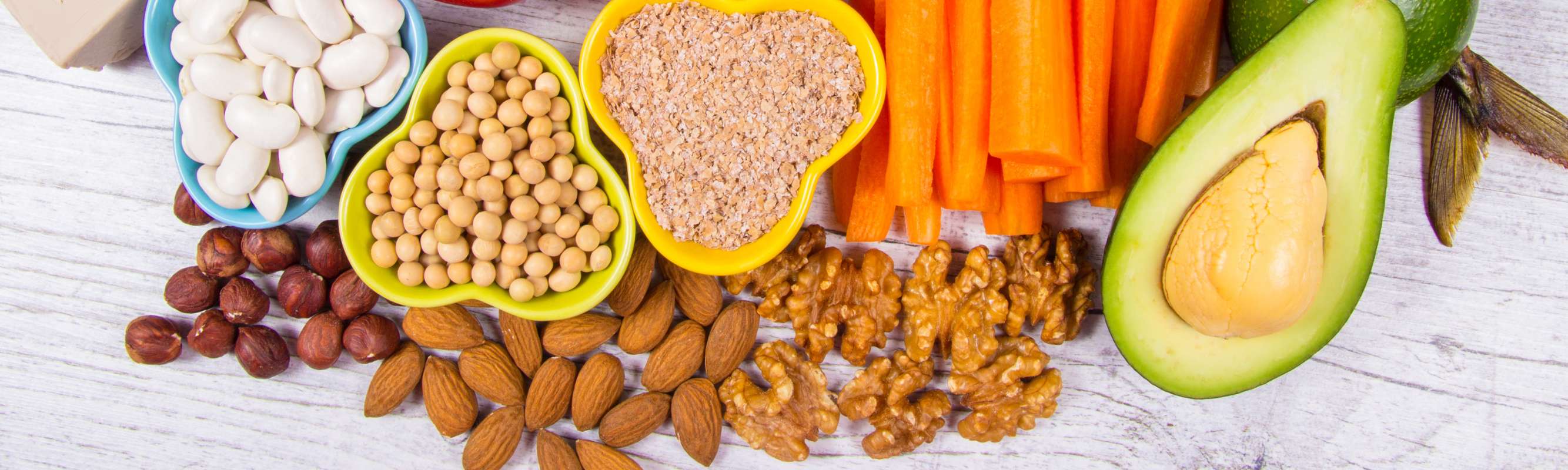
Dietary Sources: Include niacin-rich foods in your diet. Good sources of niacin include meat (chicken, turkey, beef), fish (tuna, salmon), nuts (peanuts, almonds), seeds (sunflower seeds), legumes (beans, lentils), whole grains (brown rice, quinoa), and fortified cereals.
Cooking Methods: Be mindful of your cooking methods. Boiling or steaming can cause some loss of niacin in the cooking water. Cooking methods that retain the cooking water, such as boiling or steaming, can help preserve the niacin content in your food.
Fortified Foods: Consume fortified foods. Some food products, such as certain breakfast cereals, are fortified with niacin. Check the product labels to identify fortified options.
Supplements: If you have difficulty obtaining enough niacin through your diet, consider niacin supplements. There are different forms of niacin supplements available, including niacinamide and nicotinic acid. Consult with a healthcare professional to determine the appropriate form and dosage for your individual needs.
Follow Dosage Recommendations: If you decide to take niacin supplements, adhere to the recommended dosage guidelines provided on the supplement label or as advised by your healthcare professional. Niacin supplements can cause flushing as a side effect, particularly with nicotinic acid, so it's important to start with a lower dose and gradually increase.
It's important to note that while niacin is beneficial for health, excessive intake, especially from supplements, can have adverse effects. Always consult with your healthcare provider before starting any new supplement regimen, especially if you have underlying health conditions or are taking medications.