Wellness & Health
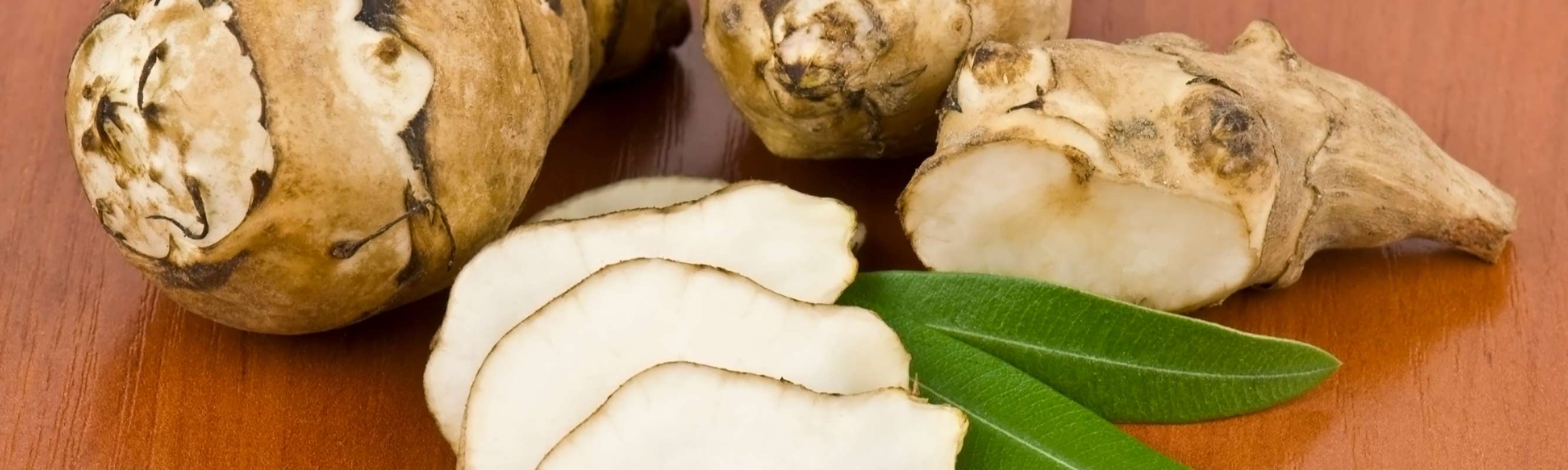
Jerusalem Artichoke
The Benefits
Dietary Fiber for Digestive Health
Jerusalem artichokes are an excellent source of dietary fiber, promoting digestive health. The fiber content aids in maintaining regular bowel movements, preventing constipation, and supporting a healthy gut microbiome. This can contribute to overall digestive well-being and prevent gastrointestinal issues.
Prebiotic Properties for Gut Health
The inulin found in Jerusalem artichokes acts as a prebiotic, promoting the growth of beneficial bacteria in the gut. A balanced and diverse gut microbiome is associated with various health benefits, including improved digestion, enhanced nutrient absorption, and a strengthened immune system. Jerusalem artichokes, therefore, play a role in fostering gut health and supporting the body's overall immune function.
Low-Calorie Nutrient Density
Jerusalem artichokes offer nutritional benefits without contributing excessive calories to the diet. With only about 70 calories per 100 grams, they are a low-calorie food option. This makes them suitable for individuals looking to manage their weight or maintain a calorie-conscious diet. The presence of essential vitamins and minerals in Jerusalem artichokes further enhances their nutrient density, providing a range of nutrients without an excess of calories.
How to incorporate Jerusalem Artichoke in Your Daily Routine
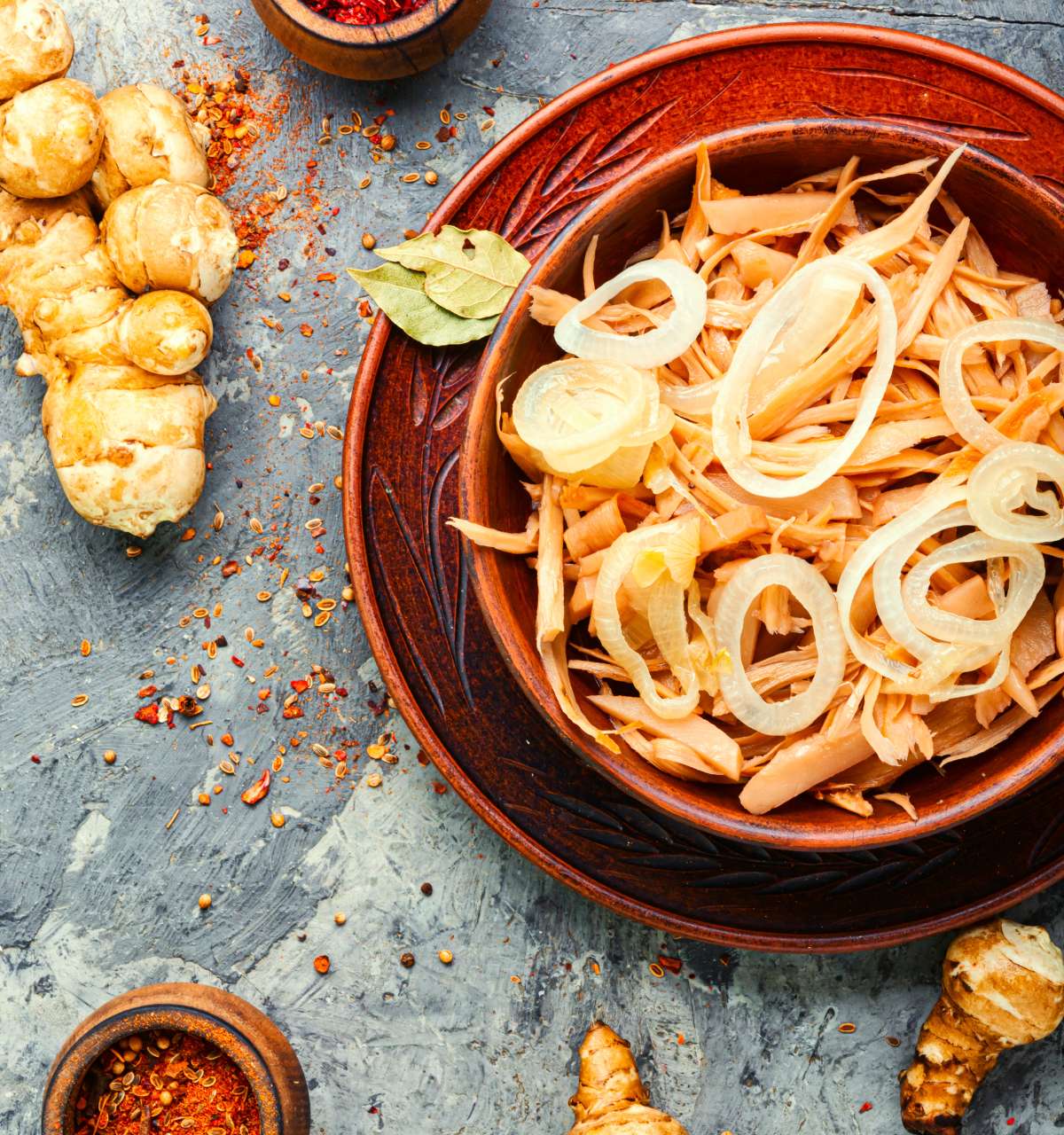
Here are some creative ways to include this unique tuber in your meals:
Raw in Salads: Slice or grate Jerusalem artichokes and add them to your favorite salads. Their crisp texture and slightly sweet flavor can complement a variety of greens, fruits, and dressings.
Roasted or Grilled Side Dish: Roast or grill Jerusalem artichokes with olive oil, garlic, and your favorite herbs. This brings out their natural sweetness and creates a flavorful side dish that pairs well with grilled meats or fish.
Mashed or Pureed: Boil Jerusalem artichokes until tender and mash them like potatoes. You can add butter, herbs, or a touch of cream for a creamy and delicious alternative to traditional mashed potatoes.
Soups and Stews: Incorporate Jerusalem artichokes into soups and stews for added depth of flavor and texture. They work well in creamy soups or hearty vegetable stews.
Pickled Snack: Experiment with pickling Jerusalem artichokes to create tangy and crunchy pickles. Enjoy them on their own as a refreshing snack or include them as a unique condiment in sandwiches and wraps.
In Breakfast Dishes: Add diced or grated Jerusalem artichokes to omelets, frittatas, or breakfast hash for a nutritious and flavorful start to your day. Remember to start with small quantities if you're new to Jerusalem artichokes, as they contain inulin, which can cause digestive discomfort in some individuals. Experiment with these suggestions to find the preparation method that suits your taste buds and dietary preferences.