Wellness & Health
Iron
Iron is a vital mineral that plays a crucial role in various bodily functions, including the transportation of oxygen in the blood and supporting the immune system. Here are ways to incorporate iron into your daily routine.
The Benefits
Oxygen Transport
Iron is essential for the proper function of hemoglobin, which binds to oxygen in the lungs and transports it to cells throughout the body. This process is crucial for energy production and overall vitality.
Energy Metabolism
Iron is involved in the process of converting nutrients from food into energy. It helps facilitate the production of adenosine triphosphate (ATP), the body's primary energy currency.
Prevents Anemia
Iron deficiency is a common cause of anemia, a condition characterized by a reduced number of red blood cells or a decrease in the amount of hemoglobin in the blood. Adequate iron intake prevents anemia and ensures proper oxygen delivery to cells.
How to incorporate Iron in Your Daily Routine
Incorporating iron into your daily routine is important for maintaining overall health, as iron plays a crucial role in carrying oxygen to your cells and tissues.

Here are some tips on how to ensure an adequate intake of iron:
-
Include Iron-Rich Foods in Your Diet:
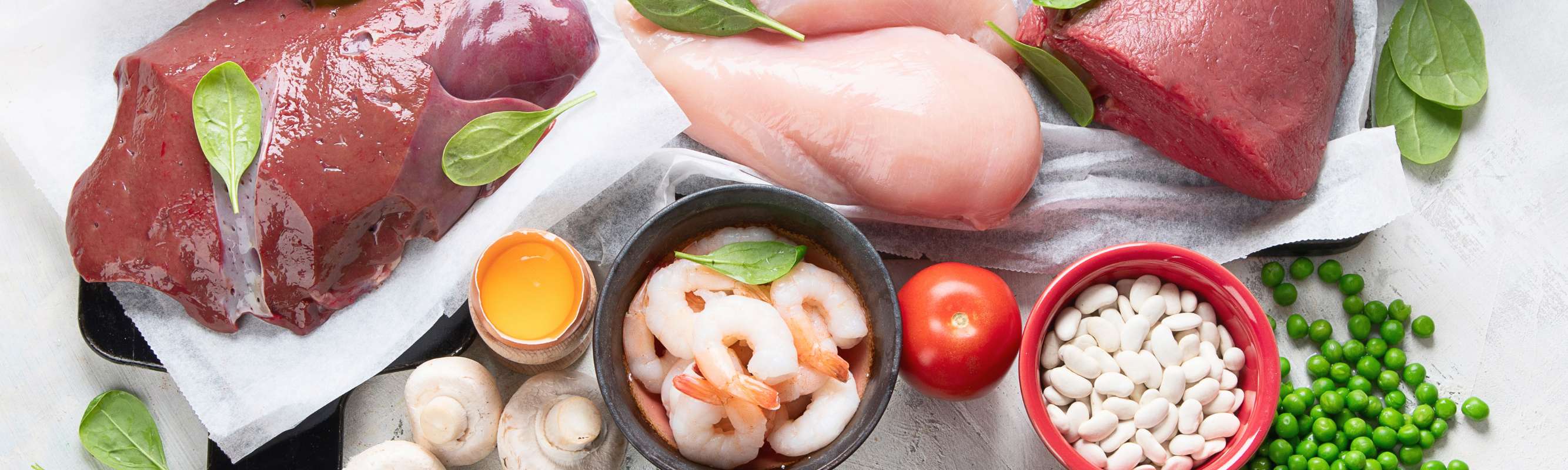
- Meat and Poultry: Red meat, poultry (especially dark meat), and organ meats like liver are excellent sources of heme iron, which is more easily absorbed by the body.
- Fish: Some fish, such as salmon and tuna, are good sources of iron.
- Plant-Based Sources: Include iron-rich plant foods like beans, lentils, tofu, fortified cereals, and dark green leafy vegetables (such as spinach and kale). While the iron from plant-based sources (non-heme iron) is not as easily absorbed as heme iron, consuming vitamin C-rich foods alongside them can enhance absorption.
-
Cook in Cast Iron Cookware:
- Cooking in cast iron can increase the iron content of your food, especially when cooking acidic foods like tomatoes.
-
Vitamin C Enhances Absorption:
- Consuming vitamin C-rich foods alongside iron-rich meals can enhance iron absorption. Include fruits like oranges, strawberries, and kiwi in your diet.
-
Avoid Foods that Inhibit Iron Absorption:
- Certain foods and drinks can inhibit iron absorption. These include tea, coffee, and calcium-rich foods. Try to avoid consuming them close to meals containing iron-rich foods.
-
Consider Iron Supplements:
- If you have difficulty meeting your iron needs through diet alone, or if you have a medical condition that affects iron absorption, your healthcare provider may recommend iron supplements. However, it's important to consult with a healthcare professional before starting any supplements, as excessive iron intake can have adverse effects.
-
Limit Calcium Supplements During Meals:
- If you take calcium supplements, try not to take them with meals containing iron-rich foods, as calcium can inhibit iron absorption.
-
Be Mindful of Iron Content in Fortified Foods:
- Some foods, such as fortified cereals and bread, are enriched with iron. Check food labels for nutritional information.
-
Regular Health Check-ups:
- If you suspect you have an iron deficiency, consult with a healthcare professional. They can conduct tests to determine your iron levels and recommend appropriate interventions.
Remember that individual iron needs can vary based on factors such as age, sex, and overall health. It's always a good idea to consult with a healthcare professional or a registered dietitian to determine the most suitable approach for your specific circumstances.