Wellness & Health
Citrus Pectin
Citrus pectin, a natural substance derived from citrus fruits, has gained increasing recognition for its diverse range of applications in various industries, from food and medicine to cosmetics and beyond. This unassuming ingredient, often overshadowed by the more prominent constituents of citrus fruits, holds a crucial place in the world of functional additives and health-promoting substances. In this article, we will explore the fascinating world of citrus pectin, examining its sources, properties, uses, and potential benefits.
The Benefits
Digestive Health Support
Citrus pectin is a rich source of dietary fiber, which is crucial for maintaining a healthy digestive system. The fiber in citrus pectin helps promote regular bowel movements and can alleviate issues like constipation. By adding bulk to the stool, it aids in the efficient movement of waste through the digestive tract, contributing to overall digestive well-being.
Anti-Inflammatory Properties
Pectin may possess anti-inflammatory properties, which can be beneficial for reducing inflammation in the body. Chronic inflammation is associated with various health issues, including cardiovascular disease and certain chronic conditions.
Weight Management
The high fiber content in citrus pectin can play a role in weight management. When included in a balanced diet, citrus pectin can promote a feeling of fullness, reducing overall food intake. This can be beneficial for individuals looking to control their calorie consumption and support their weight loss efforts. By contributing to satiety, citrus pectin can be a valuable component of a weight management plan.
How to incorporate Citrus Pectin in Your Daily Routine
Incorporating citrus pectin into your daily routine can be relatively straightforward, depending on the form in which you have it (powder, capsules, or as part of citrus fruits).
Here are some practical ways to include citrus pectin in your daily use:
1. Dietary Supplements: If you're using citrus pectin as a dietary supplement, follow the recommended dosage instructions on the product label. Typically, citrus pectin supplements come in powder or capsule form. You can take them with a glass of water, preferably before a meal. It's essential to stick to the recommended dosage and consult with a healthcare professional for guidance.
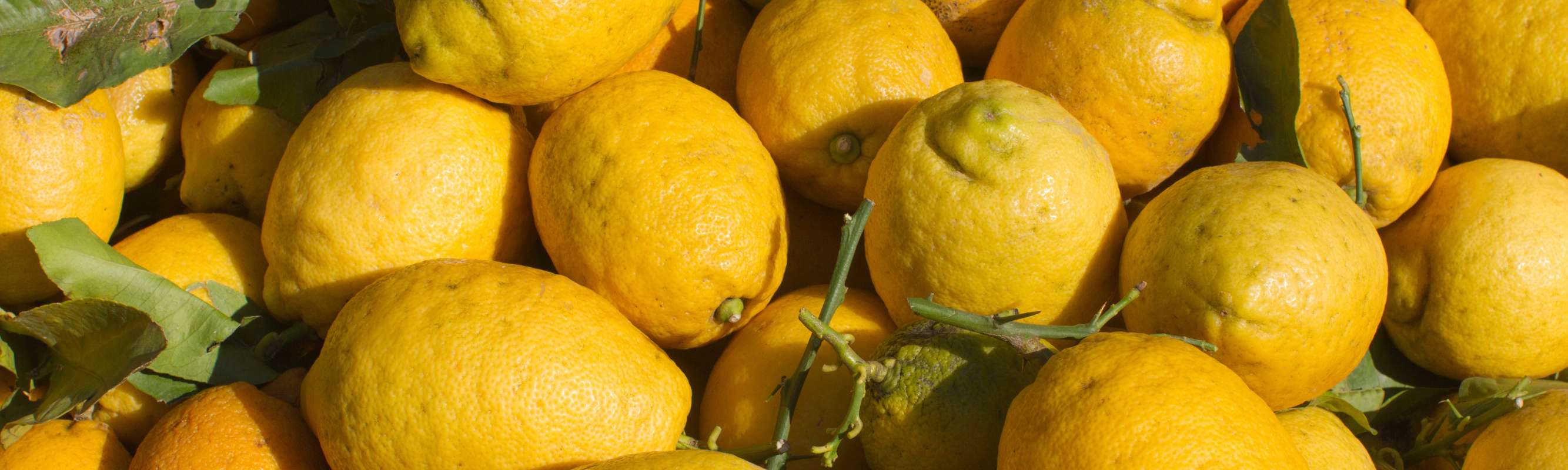
2. Fruit Consumption: You can naturally incorporate citrus pectin into your diet by consuming citrus fruits. Oranges, grapefruits, lemons, and limes are excellent sources of citrus pectin. You can enjoy these fruits as a snack, part of a fruit salad, or as fresh juice. Be sure to eat the whole fruit, including the peel, which contains a significant amount of pectin.
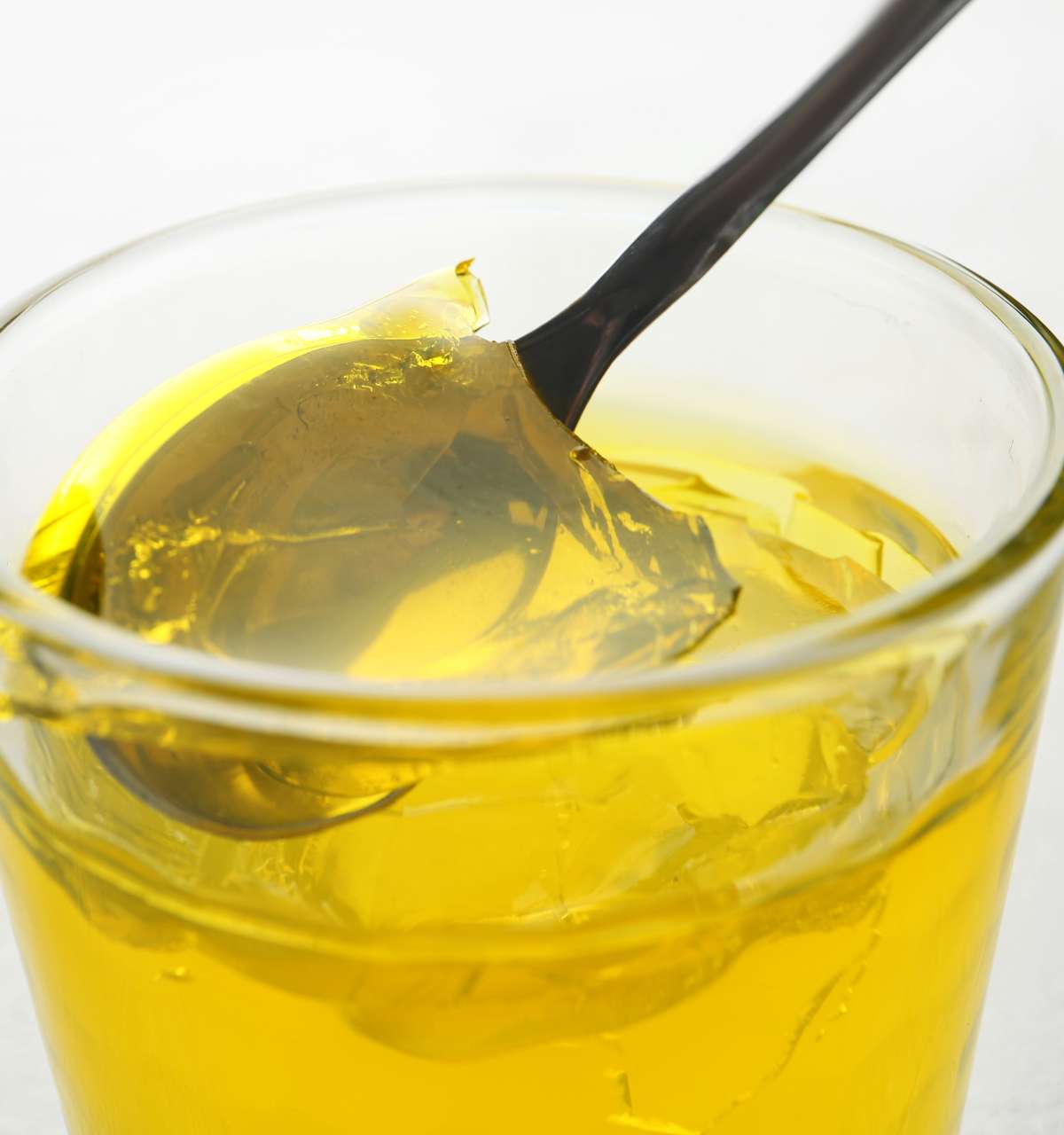
3. Homemade Jams and Jellies: If you enjoy making homemade jams and jellies, you can use citrus pectin as a thickening agent. Follow a trusted recipe that includes instructions for using citrus pectin to create delicious preserves.
4. Smoothies: You can blend citrus fruits, along with other ingredients like yogurt, honey, and ice, to create a refreshing and nutritious smoothie. This is an easy way to include the pectin-rich parts of citrus fruits in your daily diet.
5. Baking: If you like to bake, consider adding citrus zest or citrus peel to your recipes. For example, lemon zest can add a burst of flavor to cookies, muffins, or cakes while incorporating some citrus pectin.
6. Nutritional Supplements: Some nutritional supplements, especially those designed for digestive health or detoxification, contain citrus pectin as an ingredient. You can follow the recommended dosage on these supplements to support your health goals.
7. Salad Dressings: You can create homemade salad dressings by mixing citrus juice and zest with olive oil, vinegar, and your choice of seasonings. This not only adds flavor but also provides a touch of citrus pectin.
8. Detoxification Protocols: If you are using citrus pectin for its detoxification properties, it's essential to follow a specific protocol designed for this purpose. These protocols are often supervised by healthcare professionals.