Wellness & Health
Capsaicin
The Benefits
Pain Relief
Capsaicin is widely recognized for its analgesic properties. When applied topically, it can provide pain relief for various conditions, including arthritis, neuropathic pain, and muscle soreness. Capsaicin works by desensitizing nerve endings, reducing the perception of pain, and offering a natural alternative to over-the-counter pain relief products.
Weight Management
Capsaicin has the potential to boost metabolism and aid in weight management. It can increase thermogenesis, which leads to increased calorie expenditure and fat burning. Additionally, capsaicin has been shown to reduce appetite, helping individuals consume fewer calories, which can be beneficial for those looking to manage their weight.
Cardiovascular Health
Capsaicin may contribute to improved cardiovascular health by promoting blood vessel dilation and enhanced circulation. These effects can lead to reduced blood pressure, potentially reducing the risk of hypertension and associated heart problems. Capsaicin's impact on cardiovascular health underscores its potential as a natural means of supporting heart health.
How to incorporate Capsaicin in Your Daily Routine
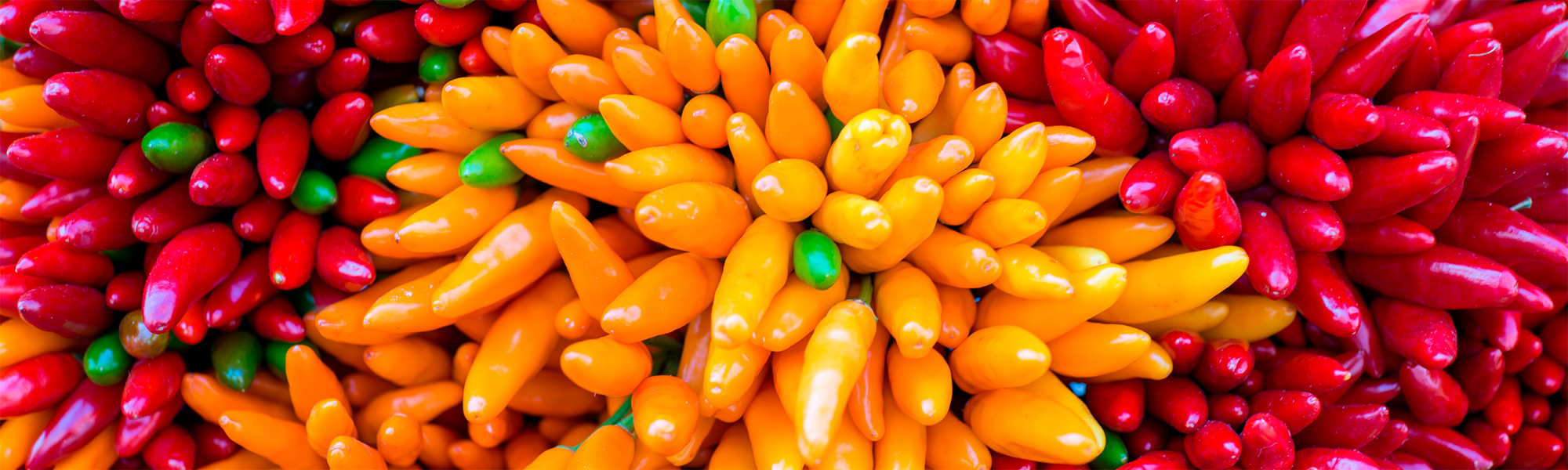
Capsaicin is the compound responsible for the spicy heat in chili peppers. It not only adds flavor to dishes but also has potential health benefits.

Here are some creative ways to incorporate capsaicin into your daily routine:
1. Add Fresh Chili Peppers to Your Meals:
• Chop fresh chili peppers and add them to your salads, stir-fries, soups, or any dish that could benefit from a spicy kick. Remember to wear gloves when handling hot peppers and be cautious not to touch your face or eyes afterward.
2. Cook with Chili Pepper Flakes or Powder:
• You can use dried chili pepper flakes or powder to season your dishes. Sprinkle them on pizza, pasta, roasted vegetables, or any meal to enhance the flavor and heat.
3. Experiment with Hot Sauces:
• There are a wide variety of hot sauces available, ranging from mild to extremely hot. Use hot sauce as a condiment on your favorite foods, such as tacos, burritos, or sandwiches.
4. Create Homemade Salsas and Dips:
• Prepare homemade salsas, guacamole, or spicy yogurt dips with fresh chili peppers. These can be paired with chips, nachos, or as a topping for grilled meats or seafood.
5. Enjoy Spicy Snacks:
• Opt for spicy snacks like chili-flavored nuts, popcorn, or chips as a way to get your daily dose of capsaicin.
6. Cook Spicy Ethnic Dishes:
• Explore cuisines known for their spicy dishes, such as Indian, Thai, Mexican, and Sichuan Chinese. Cooking recipes from these regions can help you incorporate chili peppers into your daily meals.
7. Grow Your Own Chili Peppers:
• Consider growing your own chili pepper plants, which can provide a steady supply of fresh peppers. You can use them in your daily cooking and even preserve them through drying or pickling.
Remember that capsaicin can have various health benefits, but it's essential to consume it in moderation, especially if you're not accustomed to spicy foods, to avoid any potential discomfort or digestive issues.