Wellness & Health
Vitamin B2
The Benefits
Energy Production
Vitamin B2 is a crucial component in the metabolic processes that convert carbohydrates, fats, and proteins from the food we consume into energy. As a cofactor for various enzymes involved in these pathways, riboflavin plays a fundamental role in supporting the body's energy production.
Antioxidant Defense
The antioxidant properties of vitamin B2 help combat free radicals, unstable molecules that can cause oxidative stress and contribute to aging and chronic diseases. By neutralizing these free radicals, riboflavin supports cellular health and protects against potential damage from oxidative stress.
Skin Health and Collagen Production
Vitamin B2 is essential for maintaining healthy skin, hair, and nails. It contributes to collagen production, a vital protein that provides structure and elasticity to the skin. Riboflavin deficiency can lead to skin disorders, emphasizing the importance of this vitamin for overall skin health and appearance.
How to incorporate Vitamin B2 in Your Daily Routine

Here are some practical tips to ensure you're meeting your daily requirements:
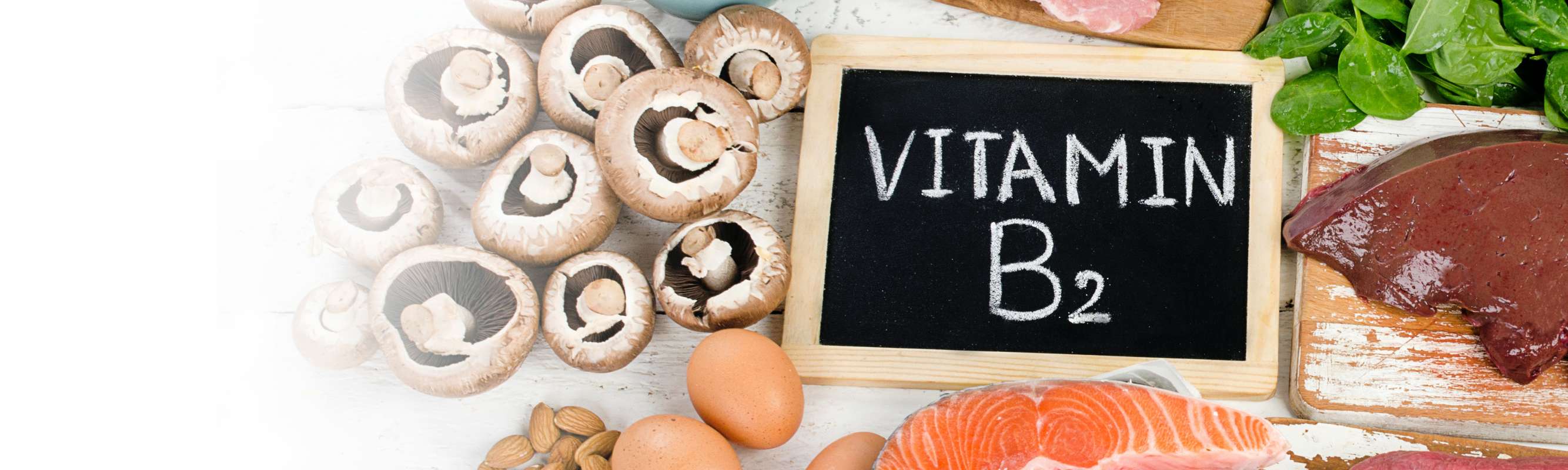
1. Include Dairy Products: Dairy products such as milk, yogurt, and cheese are rich sources of riboflavin. Enjoying a serving of yogurt with fruits or adding cheese to salads and sandwiches can contribute significantly to your daily intake.
2. Choose Lean Meats: Lean meats, including chicken, turkey, and beef, are excellent sources of Vitamin B2. Include these proteins in your meals to ensure you're getting a healthy dose of riboflavin.Grilled or baked preparations are healthier alternatives to fried options.
3. Eat Eggs: Eggs are not only a good source of protein but also contain Vitamin B2. Whether scrambled, boiled, or as part of various dishes, incorporating eggs into your diet is a versatile way to boost riboflavin intake.
4. Embrace Green Leafy Vegetables: Vegetables like spinach, broccoli, and asparagus are not only rich in essential vitamins and minerals but also provide a good amount of riboflavin. Include a variety of these vegetables in salads, stir-fries, or as side dishes to enhance your Vitamin B2 intake.
5. Snack on Nuts and Seeds: Almonds, sunflower seeds, and other nuts and seeds are nutritious snacks that contain riboflavin. Consider adding them to your daily snack routine or sprinkling them on yogurt or salads.