Wellness & Health
Selenium Methionine
Selenium Methionine is a compound formed by combining the essential amino acid methionine with selenium, a trace mineral. This form of selenium is known to be more bioavailable, meaning that the body can absorb and utilize it more effectively than other forms of selenium. Selenium Methionine is commonly found in dietary supplements and is often used to support various aspects of health, including immune function and antioxidant protection.
The Benefits
Powerful Antioxidant Support
Selenium is a key component of selenoproteins, such as glutathione peroxidase, which play an important role in neutralizing free radicals and reducing oxidative stress. By reducing oxidative damage, selenium methionine can help protect cells from aging, inflammation, and the development of chronic diseases like heart disease and cancer.
Immune System Boost
Selenium plays a significant role in supporting the immune system. It helps improve the production and function of white blood cells, which are essential for fighting off infections. Adequate selenium intake has been linked to a stronger immune response, helping the body resist illness and recover faster from infections.
Thyroid Health and Hormone Regulation
Selenium is crucial for the proper function of the thyroid gland, as it helps convert the thyroid hormone T4 (thyroxine) into its active form, T3 (triiodothyronine). Selenium methionine supports the thyroid's ability to regulate metabolism, energy levels, and other critical bodily functions. It also helps prevent oxidative damage to the thyroid, promoting its overall health.
How to incorporate Selenium Methionine in Your Daily Routine
Selenium methionine is often available in supplement form (capsules or tablets). It's important to follow the recommended daily dosage, as excessive selenium intake can be toxic. The recommended daily intake (RDI) for selenium for most adults is around 55 micrograms per day, and supplements typically contain around 100-200 micrograms per serving.
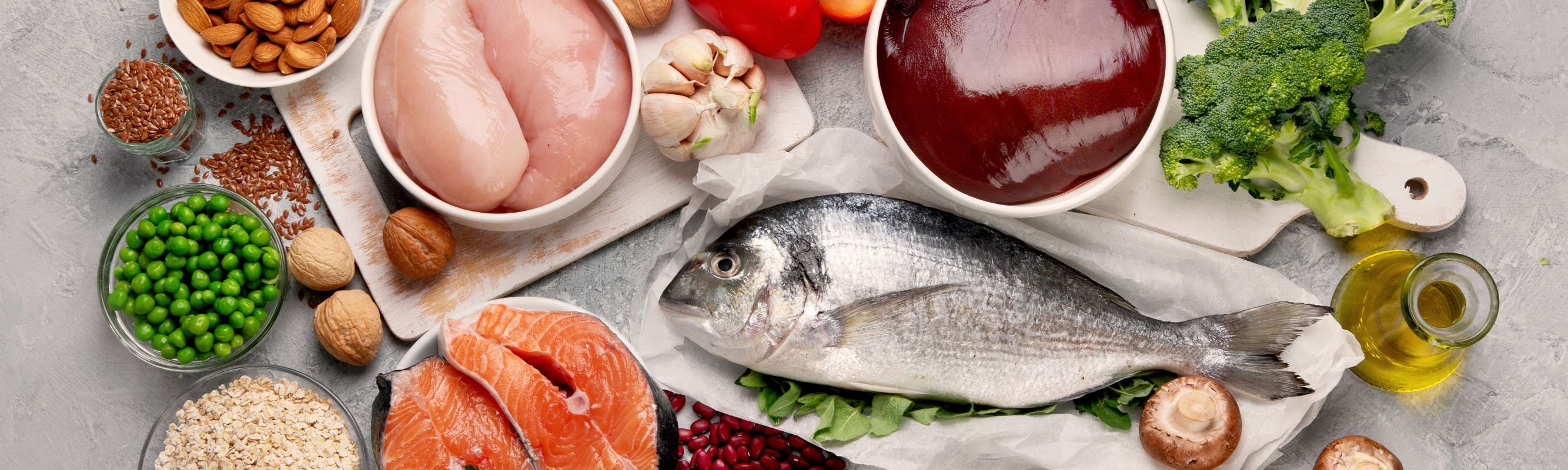
Food Sources of Selenium: While selenium methionine is a supplement form, you can naturally increase your selenium intake by eating foods rich in selenium, such as Brazil nuts, seafood, eggs, whole grains, and sunflower seeds.
Important Notes:
Toxicity: Like any mineral, selenium can be toxic in high doses, so it's important not to exceed the recommended amount unless directed by a healthcare provider.
Supplementation: It's always a good idea to consult with a healthcare professional before starting any new supplement, especially if you have underlying health conditions.
How to Use Selenium Methionine Daily:
As a Supplement
Selenium methionine is commonly available in capsule or tablet form. If you're taking it as a supplement, follow these steps:
Dosage: The typical dose for selenium methionine is between 100-200 micrograms per day. However, you should always follow the dosage instructions on the supplement bottle or those recommended by your healthcare provider.
When to Take: You can take selenium methionine with or without food, but it is often recommended to take it with a meal to reduce the potential for any stomach irritation.
Consistency: Take your supplement at the same time each day to help you remember. It's important to be consistent with daily supplementation to ensure you're getting the benefits.
Food Sources of Selenium Methionine
If you prefer to get selenium through food, you can increase your intake of selenium-rich foods, such as:
Brazil nuts: Just one or two Brazil nuts per day can provide more than the daily recommended amount of selenium.
Seafood: Fish such as tuna, salmon, and shrimp are rich in selenium.
Whole grains: Foods like brown rice, whole wheat bread, and oats also contain selenium.
Eggs and poultry: These can be excellent sources of selenium, especially if they are pasture-raised.
Track Your Intake
When using selenium methionine supplements or consuming selenium-rich foods, it’s important to monitor your total selenium intake to ensure you’re not exceeding the recommended daily dose. Too much selenium can lead to selenosis, a condition characterized by symptoms like garlic breath, hair loss, fatigue, and nausea.
Selenium Methionine in Skincare
While selenium methionine itself isn’t typically used topically in skincare, selenium as an ingredient is sometimes included in skin creams or serums for its antioxidant and anti-inflammatory benefits. If you're interested in using selenium for skin health, look for skincare products that contain selenium as part of their ingredients list.
Key Takeaways:
Supplements: Take selenium methionine supplements daily with food or as directed by your healthcare provider.
Food: Incorporate selenium-rich foods into your daily meals.
Monitoring: Stay within the recommended daily intake to avoid potential toxicity from excess selenium.