Wellness & Health
Magnesium Stearate
Magnesium stearate, known by its E number E470III, plays a crucial role in various industries, including pharmaceuticals, food, and cosmetics. This compound is the magnesium salt of stearic acid, a saturated fatty acid. Understanding its properties and applications is essential for those involved in product development and manufacturing.
The Benefits
Lubrication in Pharmaceutical Manufacturing
One of the primary benefits of magnesium stearate is its use as a lubricant in the pharmaceutical industry. During the manufacturing of tablets and capsules, magnesium stearate helps prevent the sticking of the tablet material to the processing equipment. This property is essential for the efficient and smooth production of pharmaceutical formulations, ensuring the uniformity and quality of the final product.
Anti-Caking Agent in Food Production
Magnesium stearate serves as an effective anti-caking agent in the food industry. When added to powdered or granulated foods, it prevents particles from clumping together, ensuring a free-flowing and consistent texture. This is particularly important in the production of dry mixes, spices, and other powdered food products. The anti-caking properties contribute to the ease of handling and improve the overall quality of the final food items.
Texture Enhancement in Cosmetics
In the cosmetic industry, magnesium stearate is valued for its ability to enhance texture. It serves as a thickening agent in various cosmetic formulations, including powders, creams, and lotions. The lubricating properties of magnesium stearate contribute to a smoother application of cosmetic products, improving their sensory qualities and making them more appealing to consumers. This benefit is crucial for the formulation of high-quality cosmetic products that meet both functional and aesthetic expectations.
How to incorporate Magnesium Stearate in Your Daily Routine
While magnesium stearate (E470III) is primarily used as an additive in the manufacturing processes of pharmaceuticals, food, and cosmetics, it is not typically incorporated directly into daily use by consumers in its pure form. Instead, it is utilized by industries to improve the quality, texture, and processing characteristics of various products.

However, here are ways in which products containing magnesium stearate may be incorporated into daily use:
Pharmaceuticals:
- Tablets and Capsules: Many over-the-counter and prescription medications come in tablet or capsule form, and these often contain magnesium stearate.
Incorporating these medications into your daily routine as prescribed by a healthcare professional is a common way to indirectly encounter magnesium stearate.
Food Products:
- Processed Foods: Magnesium stearate may be present in certain processed foods, especially those in powdered or granulated form, where it acts as an anti-caking agent. Examples include powdered drink mixes, baking mixes, and spice blends.
Supplements: Some dietary supplements, including vitamins and minerals, may contain magnesium stearate as an excipient or lubricant. These are often taken as part of a daily supplement regimen.
Cosmetics:
- Makeup and Skincare: Magnesium stearate is used in various cosmetic products such as powders, creams, and lotions. Incorporating these cosmetic items into your daily beauty routine allows for indirect exposure to magnesium stearate
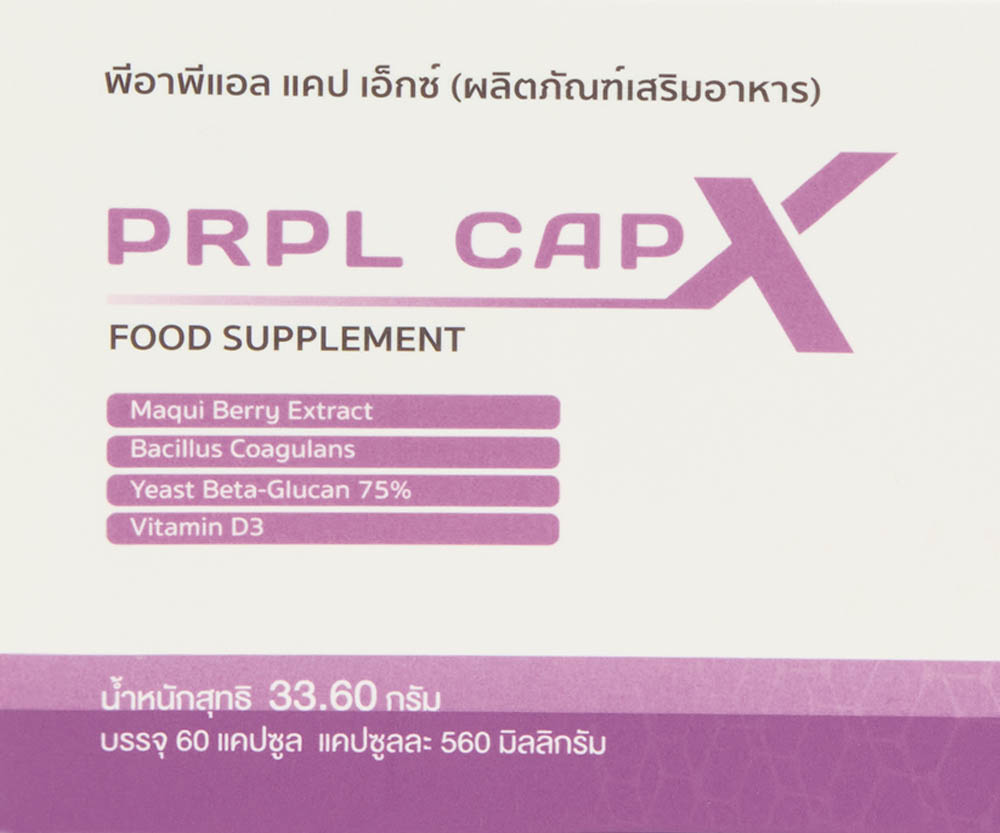
Prpl Caps X