Wellness & Health
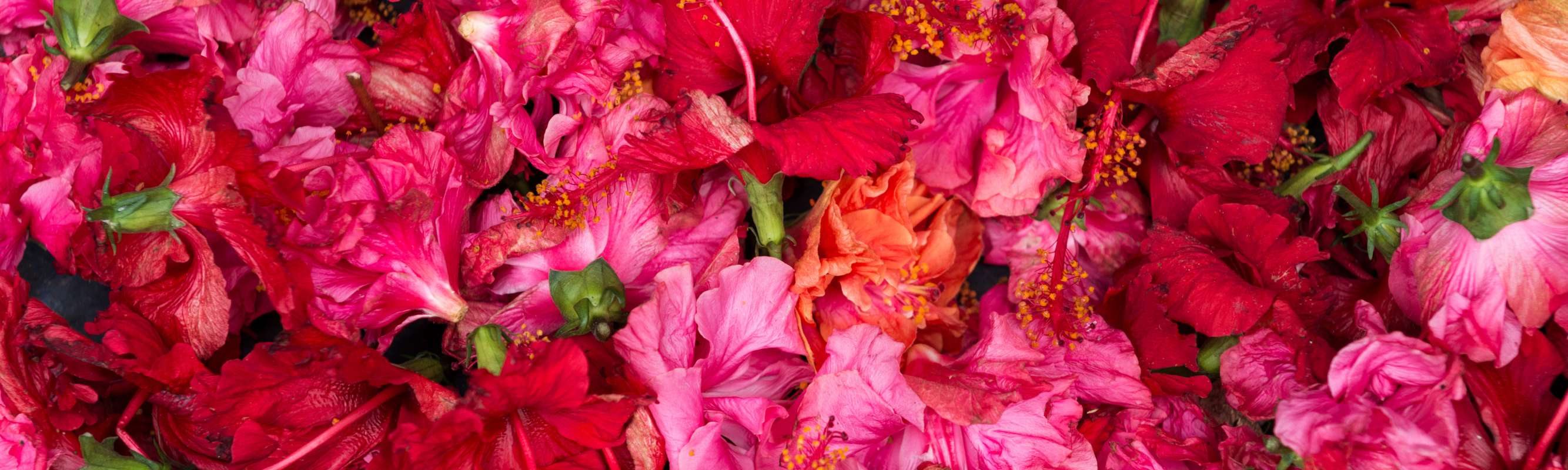
Hibiscus flowers
The Benefits
Antioxidant Richness
Hibiscus flowers are packed with antioxidants, particularly anthocyanins, which play a crucial role in neutralizing free radicals in the body. Antioxidants help combat oxidative stress and inflammation, contributing to overall health and well-being.
Cardiovascular Health
Consumption of hibiscus tea has been linked to several cardiovascular benefits. Studies suggest that regularly drinking hibiscus tea may contribute to lower blood pressure levels and improved cholesterol profiles. These effects can be attributed to the plant's ability to relax blood vessels and reduce the risk of cardiovascular diseases.
Skin and Hair Care
Hibiscus flowers offer natural properties that make them highly beneficial for skincare and haircare. The flower's extracts are commonly used in beauty products for their hydrating, anti-aging, and nourishing effects on the skin. In hair care, hibiscus helps strengthen hair, prevent issues like dandruff, and promote overall hair health.
How to incorporate Hibiscus flowers in Your Daily Routine
Here are several ways you can make the most of the benefits of hibiscus in your everyday life:
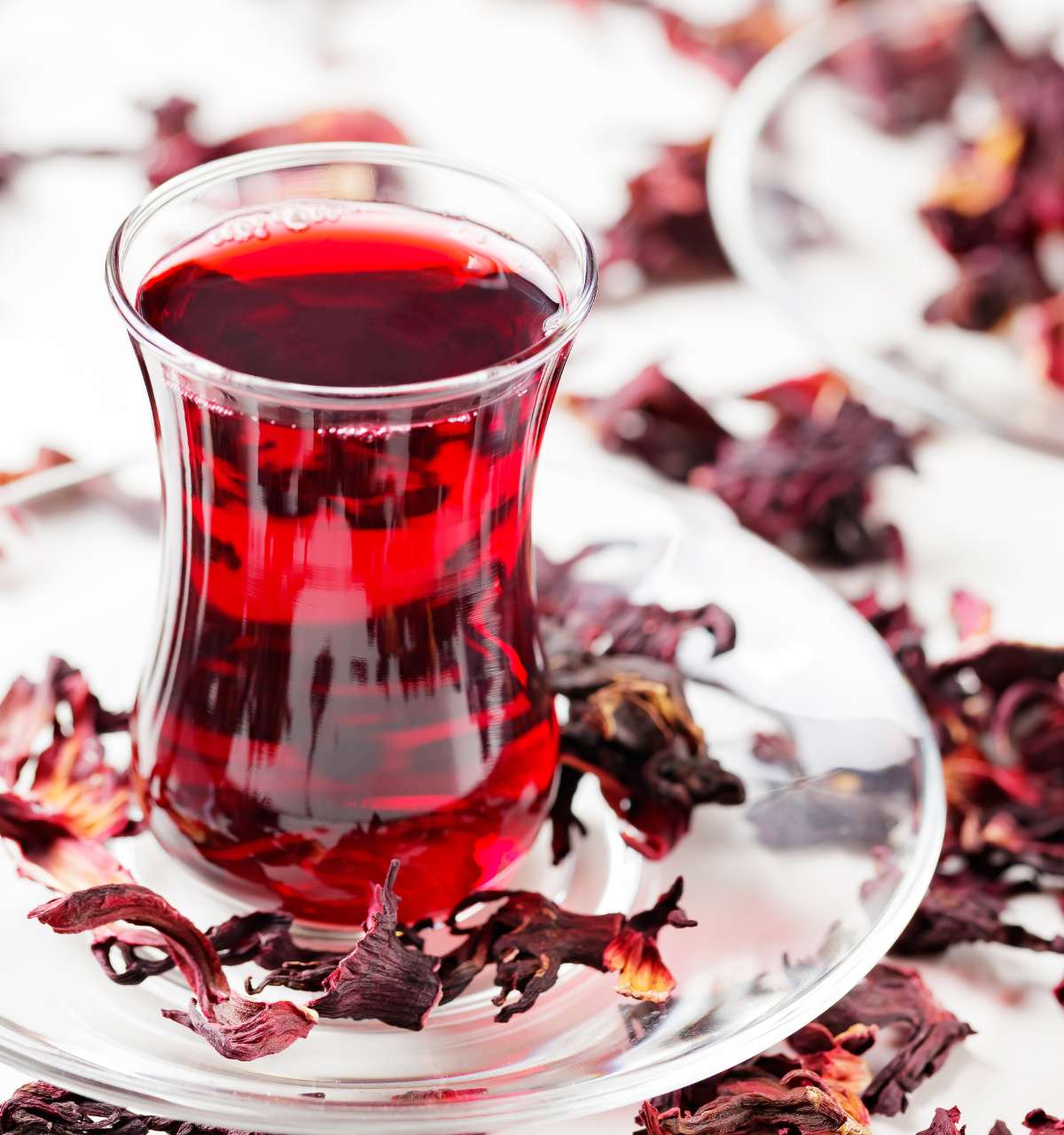
Hibiscus Tea: Ingredients: Dried hibiscus petals or hibiscus tea bags, hot water, optional sweeteners or citrus slices. Method: Steep dried hibiscus petals or tea bags in hot water for 5-10 minutes. Add sweeteners or citrus slices if desired. Enjoy it hot or cold.
Culinary Delights: Ingredients: Fresh or dried hibiscus petals. Method: Add dried hibiscus petals to your favorite herbal tea blends, infuse them in water for a refreshing beverage, or incorporate them into jams, jellies, or syrups. You can also sprinkle dried petals on salads or use them as a colorful garnish.
Skincare Routine: Ingredients: Hibiscus-infused oils, creams, or lotions. Method: Look for skincare products containing hibiscus extracts or infuse your own oils with dried hibiscus petals. Apply these products as part of your daily skincare routine to benefit from the flower's hydrating and anti-aging properties.
Hair Care Routine: Ingredients: Hibiscus-infused oils, shampoos, or conditioners. Method: Use haircare products that contain hibiscus extracts, or create your own hibiscus-infused hair oil by steeping dried petals in a carrier oil. Apply the oil to your hair and scalp as part of your regular hair care routine.
Gardening and Home Decor: Method: Grow hibiscus plants in your garden or as potted plants on your balcony. Their vibrant flowers will add a touch of natural beauty to your surroundings. Harvest fresh blooms to use as decorative elements in your home, creating a visually pleasing and culturally significant atmosphere.
Herbal Infusions: Ingredients: Dried hibiscus petals, other herbs or flowers, hot water. Method: Create your own herbal infusions by combining dried hibiscus petals with other herbs or flowers. This can be a delightful and healthful alternative to regular tea, providing a unique flavor and a boost of antioxidants.