Wellness & Health
Butyrospermum Parkii Butter
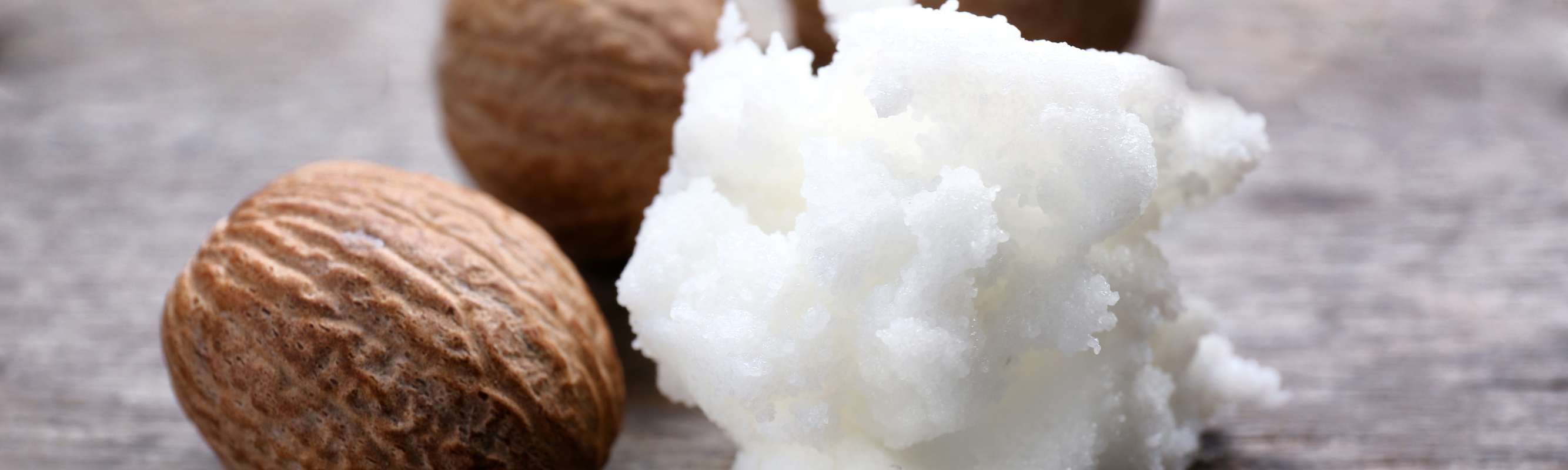
Butyrospermum Parkii Butter, more commonly known as Shea Butter, has been a staple in skincare routines for centuries. Derived from the nuts of the African shea tree (Vitellaria paradoxa), this natural ingredient has gained widespread recognition for its numerous skincare benefits. From its rich history to its diverse applications, Butyrospermum Parkii Butter has become a symbol of beauty and wellness.
The Benefits
Intense Moisturization
One of the primary benefits of Butyrospermum Parkii Butter is its ability to provide intense hydration to the skin. The fatty acids present in Shea Butter lock in moisture, making it an ideal ingredient for dry and sensitive skin.
Anti-inflammatory Properties
Shea Butter contains compounds with anti-inflammatory properties, making it effective in soothing irritated skin. It is often used to alleviate conditions such as eczema and dermatitis.
Collagen Production
The vitamins A and E in Shea Butter stimulate collagen production, promoting skin elasticity and reducing the appearance of fine lines and wrinkles.
How to incorporate Butyrospermum Parkii Butter in Your Daily Routine
Incorporating Butyrospermum Parkii Butter, commonly known as Shea Butter, into your daily skincare routine can offer numerous benefits for your skin.

Here's a guide on how to use Shea Butter in your daily care:
1. Cleansing:
• Start your routine by cleansing your face with a gentle cleanser to remove dirt and impurities.
2. Toning:
• Apply your preferred toner to balance the skin's pH levels.
3. Serum (Optional):
• If you use a serum, apply it before the Shea Butter. Serums typically have a lighter consistency and should be applied first to allow better absorption.
4. Shea Butter Application:
• Take a small amount of Shea Butter between your fingers and rub it to warm it up.
• Gently massage the Shea Butter onto your face using upward, circular motions. Pay extra attention to areas prone to dryness, like the cheeks and forehead.
• Don't forget your neck and décolletage, as these areas also benefit from the moisturizing properties of Shea Butter.
5. Eye Cream (if applicable):
• If you use an eye cream, apply it after the Shea Butter. Use your ring finger to gently pat the cream around the eye area.
6. Sunscreen (Daytime):
• In the morning, finish your routine with a broad-spectrum sunscreen with at least SPF 30. While Shea Butter provides some natural sun protection, it's not a substitute for dedicated sunscreen.
Tips and Considerations:
• Amount: A little goes a long way with Shea Butter. Start with a small amount and add more if needed.
• Consistency: Shea Butter has a thick consistency, so it's ideal for nighttime use. If using during the day, consider using a smaller amount or blending it with your regular moisturizer for easier application.
• Frequency: You can use Shea Butter daily, either in the morning, evening, or both, depending on your skin's needs.
• Customization: Mix Shea Butter with other oils or serums for a customized blend that addresses your specific skin concerns.
• Body Care: Shea Butter is not just for the face. It can be used on the body as well, especially on areas prone to dryness such as elbows, knees, and heels.
• Storage: Keep Shea Butter in a cool, dry place to prevent it from melting or becoming too hard. If it's too firm, warm it up between your hands before application.
• Patch Test: Before applying Shea Butter to your face, perform a patch test on a small area to ensure you don't have any adverse reactions.
By incorporating Shea Butter into your daily skincare routine, you can harness its moisturizing, nourishing, and protective properties for healthier and more radiant-looking skin.