Wellness & Health
Resveratrol
Resveratrol, a natural compound found in various plants, has gained significant attention in recent years due to its potential health benefits. Known for its antioxidant properties, resveratrol is commonly associated with red wine, but it can also be found in berries, grapes, and peanuts. Research on resveratrol suggests that it may offer a range of health advantages, making it a topic of interest for both scientists and health enthusiasts alike.
The Benefits
Powerful Antioxidant Activity
Resveratrol is renowned for its potent antioxidant properties, which play a crucial role in neutralizing free radicals. By scavenging these unstable molecules, resveratrol helps protect cells from oxidative stress, thereby supporting overall cellular health. This antioxidant activity is vital in reducing the risk of various diseases associated with oxidative damage, including cardiovascular diseases and cancer.
Cardiovascular Health Promotion
Research suggests that resveratrol may contribute to cardiovascular health through multiple mechanisms. It has been associated with reducing inflammation, lowering blood pressure, improving cholesterol levels, and promoting the dilation of blood vessels. These combined effects make resveratrol a potential ally in preventing heart disease and maintaining a healthy cardiovascular system.
Potential Cognitive Protection
Resveratrol has shown promise in supporting cognitive function and potentially protecting against age-related cognitive decline and neurodegenerative diseases. While more research is needed to fully understand the extent of its impact, initial studies indicate that resveratrol may have neuroprotective effects, making it an intriguing candidate for promoting brain health and reducing the risk of conditions like Alzheimer's and Parkinson's diseases.
How to incorporate Resveratrol in Your Daily Routine
Incorporating resveratrol into your daily routine can be achieved through a combination of dietary choices and, if needed, supplements.

Here are some practical ways to include resveratrol in your daily life:
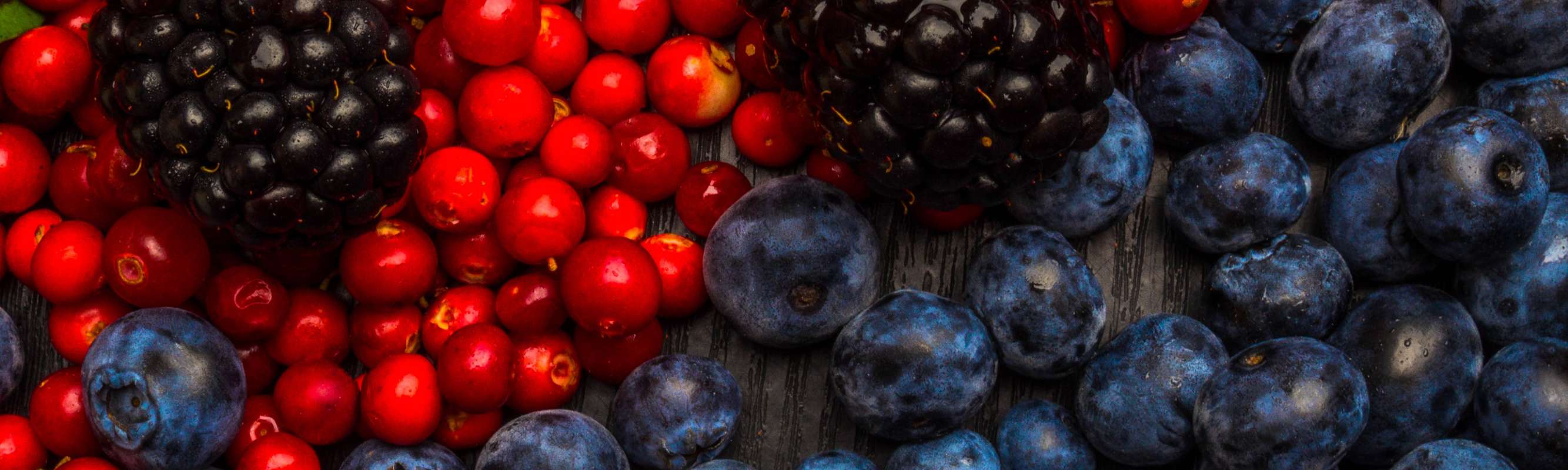
Dietary Sources: Berries: Blueberries, strawberries, raspberries, and blackberries are excellent sources of resveratrol. Add them to your breakfast cereal, yogurt, or enjoy them as a snack.
Grapes: Red and purple grapes, as well as their products like red wine and grape juice, contain resveratrol. Include them in your daily fruit intake or enjoy a glass of red wine in moderation.
Dark Chocolate: Opt for dark chocolate with a high cocoa content, as it contains resveratrol. Enjoy a piece as an occasional treat.
Cooking Methods:
- Use Red Wine in Cooking: Incorporate red wine into your cooking, particularly in sauces, stews, and marinades. This can add both flavor and resveratrol to your meals. Include - Resveratrol-Rich Herbs: Certain herbs like rosemary and thyme contain small amounts of resveratrol. Use them in your cooking to enhance flavor and nutritional content.