Wellness & Health
Iodine
The Benefits
Thyroid Protection in Nuclear Emergencies
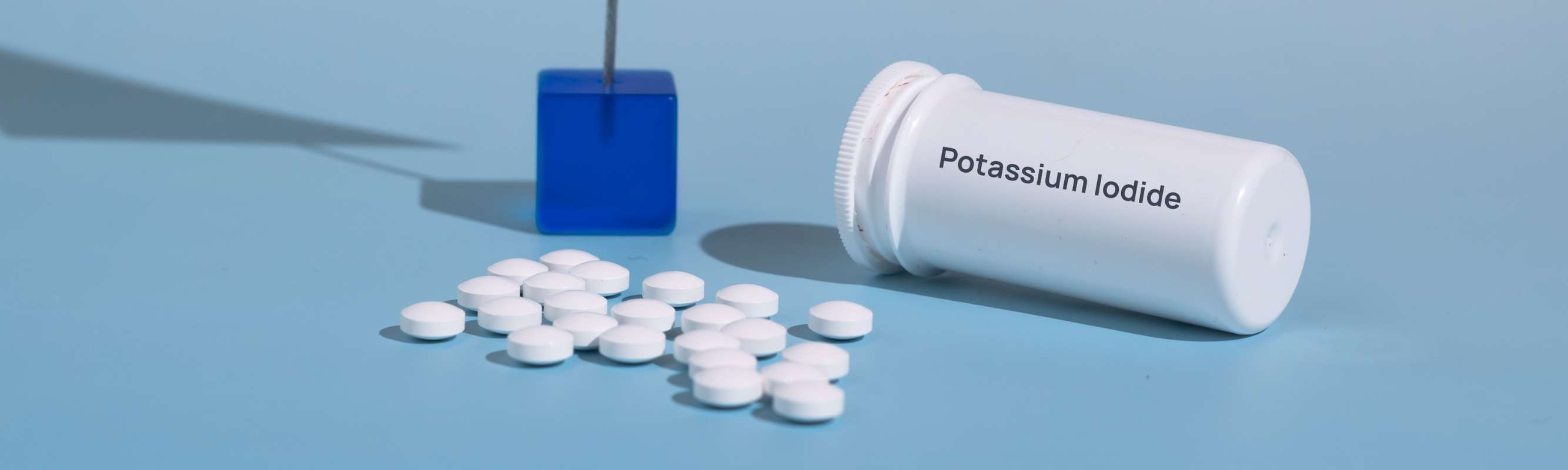
One of the most crucial benefits of potassium iodide (KI) is its ability to protect the thyroid gland from the harmful effects of radioactive iodine during nuclear emergencies. By blocking the absorption of radioactive iodine, potassium iodide helps mitigate the risk of thyroid cancer, a significant health concern in the aftermath of nuclear accidents.
Maintenance of Everyday Thyroid Health
Potassium iodide plays a vital role in maintaining everyday thyroid health. Adequate iodine intake is essential for preventing goiter, a condition characterized by the enlargement of the thyroid gland. Potassium iodide supplements ensure a consistent and sufficient supply of iodine, supporting optimal thyroid function and preventing related disorders.
Antimicrobial Properties for Dermatological Care
Apart from its role in thyroid health, potassium iodide exhibits antimicrobial properties that have proven valuable in dermatological care. Historically used in the treatment of fungal infections and sporotrichosis, potassium iodide's antifungal properties make it a beneficial component in certain medical treatments, highlighting its versatility in addressing a range of health concerns.
How to incorporate Iodine in Your Daily Routine

Here are some practical ways to include potassium iodide in your routine:
1. Use Iodized Salt:
• Switch to iodized salt for cooking and seasoning your meals. Iodized salt is a common and easily accessible source of iodine. However, it's essential not to overconsume salt, so use it in moderation.
2. Eat Iodine-Rich Foods:
• Include iodine-rich foods in your diet. Seafood, dairy products, eggs, and seaweed are good natural sources of iodine. Incorporate a variety of these foods into your meals to ensure a well-rounded iodine intake.
3. Consider Potassium Iodide Supplements:
• If you live in an area with known iodine deficiency or if you have dietary restrictions that limit your iodine intake, consider potassium iodide supplements. Consult with a healthcare professional before starting any supplementation to determine the appropriate dosage for your individual needs.
4. Be Mindful of Processed Foods:
• Some processed foods, especially those with added salt, may contribute to iodine intake. However, reliance on processed foods is generally not recommended for overall health. Focus on whole, nutrient-dense foods to ensure a balanced diet.
5. Read Labels:
• Pay attention to food labels, especially on packaged and processed items. Some foods, like bread and certain snacks, may contain iodized salt. Being aware of the iodine content in your food choices can help you maintain an adequate intake.
6. Educate Yourself on Iodine Content:
• Familiarize yourself with the iodine content of various foods and adjust your diet accordingly. This knowledge can help you make informed choices about your food intake to support optimal iodine levels.
7. Maintain a Healthy Lifestyle:
• Adopting a generally healthy lifestyle can indirectly contribute to iodine balance. Regular exercise, sufficient hydration, and a diet rich in fruits, vegetables, and whole grains support overall well-being, including thyroid health.