Wellness & Health
Ginseng
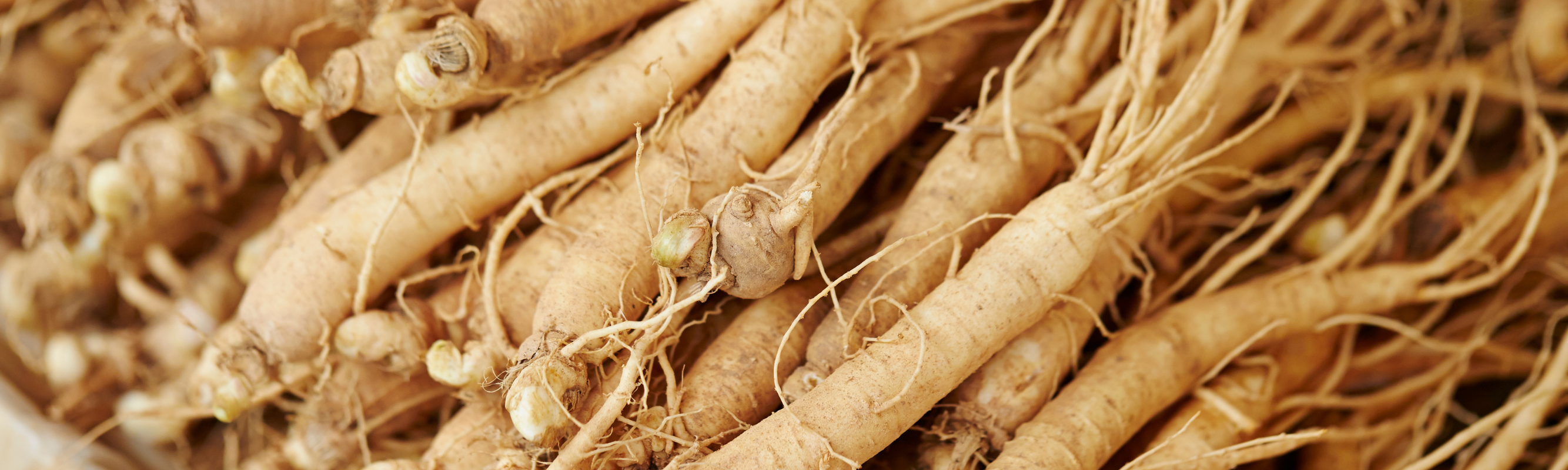
Ginseng, often referred to as the "root of immortality" in traditional Chinese medicine, has been revered for centuries for its myriad health benefits and adaptogenic properties. This ancient herb has gained global recognition as a powerful natural remedy, and its popularity continues to soar as more people discover its potential in promoting overall well-being. In this article, we will delve into the fascinating world of ginseng, exploring its history, types, health benefits, and modern applications.
The Benefits
Anti-Inflammatory Effects
Some studies suggest that ginseng may have anti-inflammatory effects, which could be beneficial for conditions involving inflammation.
Blood Sugar Control
Ginseng may help regulate blood sugar levels, making it potentially useful for individuals with diabetes or those at risk of developing diabetes.
Antioxidant Properties
Ginseng contains compounds with antioxidant properties, which may help protect cells from oxidative stress and damage.
How to incorporate Ginseng in Your Daily Routine
The intake of ginseng can vary based on individual preferences, the specific form of ginseng being used, and health considerations.

Here are several common ways to incorporate ginseng into your daily routine:
-
Ginseng Supplements:
-
Ginseng is available in various supplement forms, including capsules, tablets, and liquid extracts. Follow the recommended dosage on the product label or consult with a healthcare professional to determine the appropriate amount for your needs. It's advisable to start with a lower dose and gradually increase if needed.
-
Ginseng Tea:
-
Ginseng tea is a popular and pleasant way to consume ginseng. You can find pre-packaged ginseng tea bags or use dried ginseng roots to make your tea. Steep the tea bag or ginseng root in hot water for several minutes, and you can add honey or lemon for flavor if desired. Drink it in the morning or afternoon for a natural energy boost.
-
Powdered Ginseng:
-
Some people prefer ginseng in powdered form, which can be easily added to smoothies, yogurt, or even soups. This provides a versatile option for incorporating ginseng into your daily diet.
-
Tinctures and Extracts:
-
Ginseng tinctures and liquid extracts offer a concentrated form of the herb. They can be added to water or juice. Like supplements, it's important to follow the recommended dosage, which may vary depending on the concentration of the extract.
-
Energy Drinks and Tonics:
-
Some commercially available energy drinks and tonics include ginseng as a key ingredient. However, it's crucial to be mindful of the overall sugar and caffeine content in these products. Read labels carefully and choose options with minimal additives.
-
Ginseng in Food:
-
In Asian cuisine, ginseng is sometimes used in cooking. You can find recipes that incorporate ginseng into soups, stews, or other dishes. However, keep in mind that cooking can alter the potency of certain compounds in ginseng.
It's important to note that individual responses to ginseng can vary, and its use may not be suitable for everyone. If you have underlying health conditions or are taking medications, it's recommended to consult with a healthcare professional before adding ginseng to your daily routine. Additionally, pregnant or breastfeeding women should exercise caution and seek guidance from a healthcare provider before using ginseng supplements.