Wellness & Health
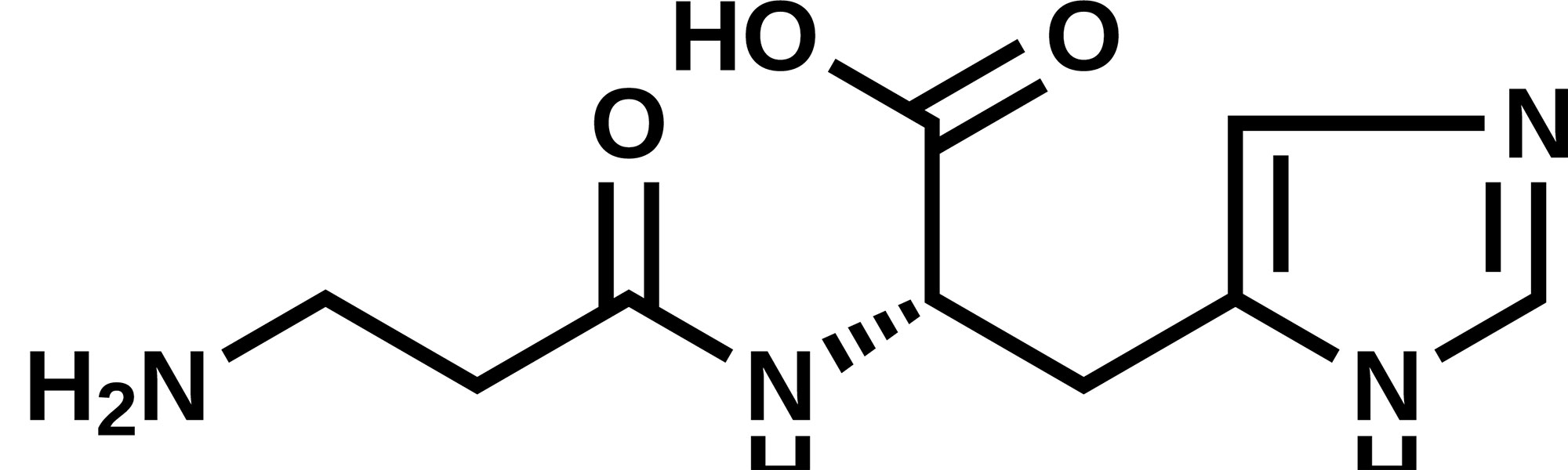
Carnosine
The Benefits
Antioxidant Powerhouse
Carnosine stands out for its potent antioxidant properties. Antioxidants play a crucial role in neutralizing free radicals, which are unstable molecules that can damage cells and contribute to aging and various diseases. By scavenging these free radicals, carnosine helps protect cells from oxidative stress.
Buffering Acidity
Another essential function of carnosine is its ability to act as a buffer against acidic conditions. This is particularly crucial in muscle tissues during high-intensity physical activities. By helping to regulate pH levels, carnosine aids in reducing muscle fatigue and improving exercise performance.
Anti-Glycation Effects
Carnosine has been recognized for its anti-glycation properties. Glycation is a process where sugar molecules bind to proteins, forming harmful advanced glycation end-products (AGEs). These AGEs are implicated in various age-related diseases, including diabetes and neurodegenerative disorders. Carnosine's ability to inhibit glycation helps mitigate these adverse effects.
How to incorporate Carnosine in Your Daily Routine
Incorporating carnosine into your daily care routine involves a combination of dietary choices, lifestyle adjustments, and, if necessary, supplementation.

Here are some practical tips on how to include carnosine in your daily routine for overall well-being:
1. Dietary Choices:
• Include Carnosine-Rich Foods: Ensure that your diet includes foods rich in carnosine, such as beef, pork, and certain fish like salmon and mackerel.
• Optimal Cooking Methods: Be mindful of cooking methods. Slow cooking at lower temperatures helps preserve carnosine levels in meat. Avoid overcooking or using high temperatures, as this can lead to the degradation of carnosine.
2. Supplementation:
• Consider Beta-Alanine Supplements: Beta-alanine is a precursor to carnosine. If you have dietary restrictions or preferences that limit your consumption of carnosine-rich foods, consider beta-alanine supplements. Consult with a healthcare professional to determine the appropriate dosage for your needs.
3. Brain Health:
• Incorporate Brain-Boosting Foods: To support cognitive function, include foods that are beneficial for brain health, such as fruits, vegetables, whole grains, and fatty fish rich in omega-3 fatty acids.
• Stay Mentally Active: Engage in activities that challenge your brain, such as puzzles, reading, or learning new skills.
4. Exercise Performance:
• Pre-Workout Nutrition: If you engage in regular physical activity, consider including carnosine-rich foods in your pre-workout nutrition. This can help support muscle function and delay fatigue during exercise.
• Hydration: Proper hydration is essential for overall exercise performance. Drink an adequate amount of water to support the functions of carnosine in buffering acidity during physical activity.
5. Anti-Aging Strategies:
• Antioxidant-Rich Diet: In addition to carnosine, consume a diet rich in antioxidants from fruits, vegetables, and nuts. This can contribute to overall cellular health and help combat oxidative stress.
• Sun Protection: Protect your skin from harmful UV rays by using sunscreen and adopting other sun-safe practices to prevent premature aging.
6. Consult with Healthcare Professionals:
• Individualized Guidance: Before making significant changes to your diet or starting any new supplements, consult with healthcare professionals. They can provide personalized advice based on your health status and specific needs.
Remember that while carnosine shows promise in various aspects of health, individual responses may vary. It's essential to prioritize a well-balanced and varied diet, along with a healthy lifestyle, to support overall health and longevity.