Wellness & Health
Urea
The Benefits
Agricultural Marvel
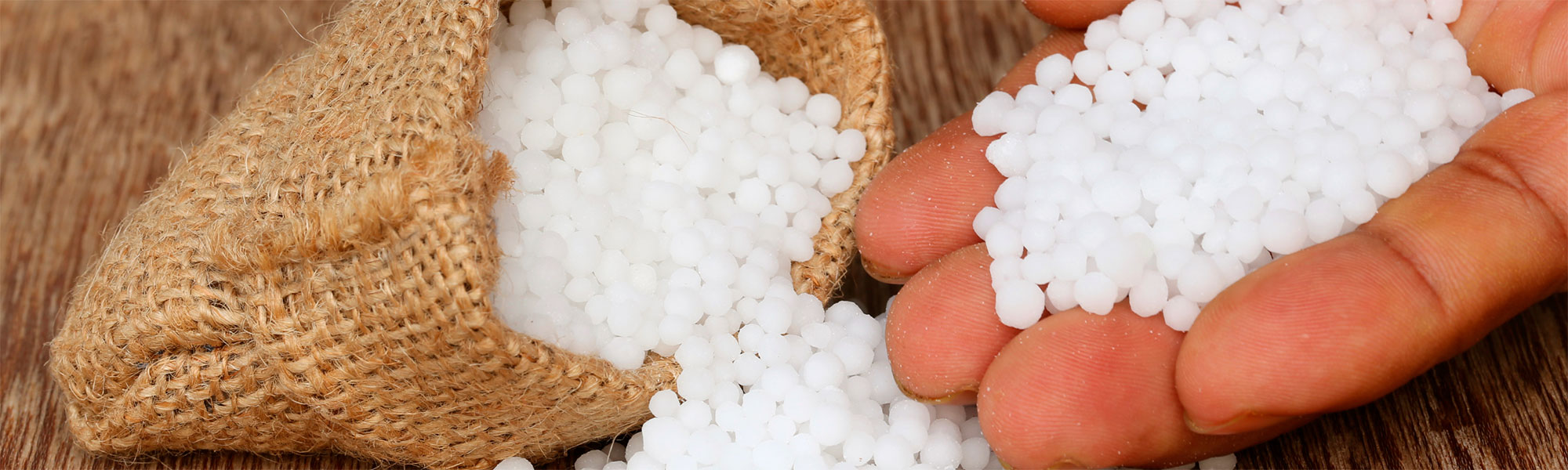
One of the primary uses of urea is in agriculture. As a key component in fertilizers, urea provides plants with a concentrated and readily available source of nitrogen, an essential nutrient for their growth. Farmers worldwide rely on urea-based fertilizers to enhance crop yields and improve the overall quality of produce. Urea's water-soluble nature makes it an efficient nitrogen source for plants, fostering healthy and robust agricultural practices.
Industrial Production
Beyond agriculture, urea is a cornerstone in industrial processes. It serves as a vital raw material in the manufacturing of various chemicals, resins, and plastics. Its versatility stems from its ability to react with other compounds, giving rise to a wide array of valuable products. The synthesis of urea-formaldehyde resins, for example, finds applications in the production of durable wood-based materials, such as particleboard and plywood.
Medical Applications
Urea's significance extends into the realm of medicine. In clinical settings, urea is used in the formulation of diagnostic tests, particularly the urea breath test, which helps detect the presence of Helicobacter pylori, a bacterium associated with stomach ulcers. Additionally, urea-based creams and ointments are utilized in dermatology to treat various skin conditions, thanks to its moisturizing and keratolytic properties.
How to incorporate Urea in Your Daily Routine
Incorporating urea into your daily skincare routine can help address various skin concerns, such as dryness, roughness, and certain skin conditions like eczema and psoriasis. Urea is a humectant, which means it helps attract and retain moisture in the skin.

Here's how you can incorporate urea into your daily skincare routine:
Choose Urea-Containing Products: Look for skincare products that contain urea as one of the main active ingredients. These products may include moisturizers, creams, lotions, serums, and foot creams specifically formulated to hydrate and soften dry, rough skin. Choose products with urea concentrations appropriate for your skin type and concerns.
Cleanse Your Skin: Start your skincare routine by cleansing your skin with a gentle cleanser suitable for your skin type. Cleansing helps remove dirt, oil, and impurities, preparing your skin for the subsequent skincare products.
Apply Urea Cream or Lotion: After cleansing, apply a urea-containing cream or lotion to areas of your body that are dry, rough, or prone to moisture loss. These areas may include the hands, feet, elbows, knees, and heels. Massage the product gently into the skin until it is fully absorbed.
Use Urea Cream on Specific Areas: If you have specific areas of concern, such as calluses on the feet or rough patches on the elbows, apply a thicker urea cream or ointment to these areas. Urea helps soften and exfoliate rough skin, promoting a smoother and more hydrated complexion.
Moisturize Regularly: Incorporate urea-containing moisturizers into your daily skincare routine to help hydrate and soften the skin. Apply moisturizer after bathing or showering when the skin is still damp to lock in moisture more effectively.