Wellness & Health
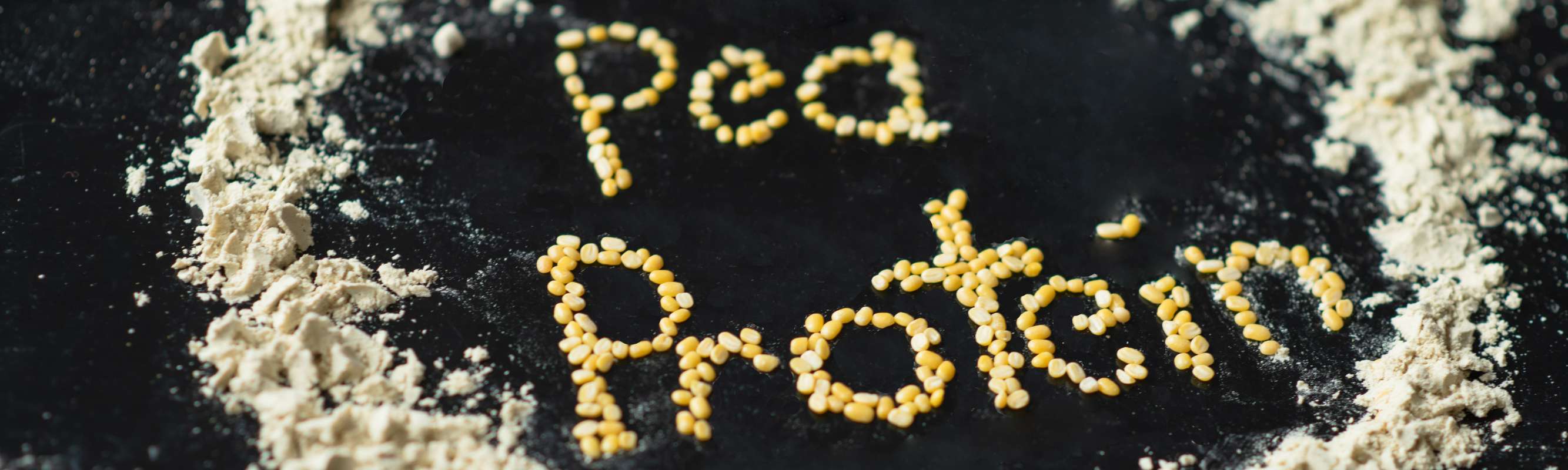
Pea protein
The Benefits
Rich in Essential Amino Acids for Muscle Growth and Repair
Pea protein boasts a comprehensive profile of essential amino acids, including high levels of leucine. Leucine plays a crucial role in protein synthesis, making pea protein an excellent choice for individuals aiming to support muscle growth and repair. Whether you're an athlete looking to enhance performance or someone seeking to maintain muscle health, the amino acid composition of pea protein contributes significantly to these goals.
Highly Digestible and Allergen-Free
Pea protein's digestibility sets it apart as a gentle option for individuals with sensitive digestive systems. Unlike some protein sources that can cause discomfort or irritation, pea protein is known for being easy on the stomach. Furthermore, its allergen-free nature, free from gluten, dairy, and soy, makes it a suitable choice for those with food sensitivities or allergies. This accessibility ensures that a broader range of individuals can incorporate pea protein into their diets without compromising digestive well-being.
Sustainable and Environmentally Friendly
Pea protein aligns with sustainability goals due to its minimal environmental impact. Yellow peas, the source of pea protein, are nitrogen-fixing crops that enhance soil health and reduce the need for synthetic fertilizers. The cultivation of peas also requires less water compared to some other protein crops, contributing to water conservation efforts. Choosing pea protein not only benefits personal health but also supports environmentally conscious practices in agriculture, making it a sustainable protein option for individuals who prioritize both their well-being and the health of the planet.
How to incorporate Pea protein in Your Daily Routine
Here are some creative and practical ways to enjoy the benefits of pea protein:
1. Smoothies and Shakes: The most popular and convenient way to consume pea protein is by adding it to your daily smoothies or shakes. Blend it with fruits, vegetables, and your favorite plant-based milk for a nutritious and protein-packed beverage. Consider adding nut butter, seeds, or a touch of natural sweeteners for added flavor.
2. Baking and Cooking: Pea protein can be seamlessly integrated into various baked goods and savory dishes. Add pea protein powder to pancake or waffle batter, muffins, energy bars, or homemade protein balls. In savory dishes, mix it into soups, stews, or casseroles for an extra protein boost without altering the taste significantly.
3. Oatmeal and Cereals: Stir pea protein powder into your morning oatmeal or cereal for a hearty and filling breakfast. This is an excellent way to start your day with sustained energy and satiety. Top it with fruits, nuts, or seeds for added texture and flavor.
4. Yogurt or Non-Dairy Alternatives: Mix pea protein into your favorite yogurt or non-dairy alternatives like coconut or almond yogurt. This enhances the protein content of your snack or breakfast, providing a satisfying and nutritious option.
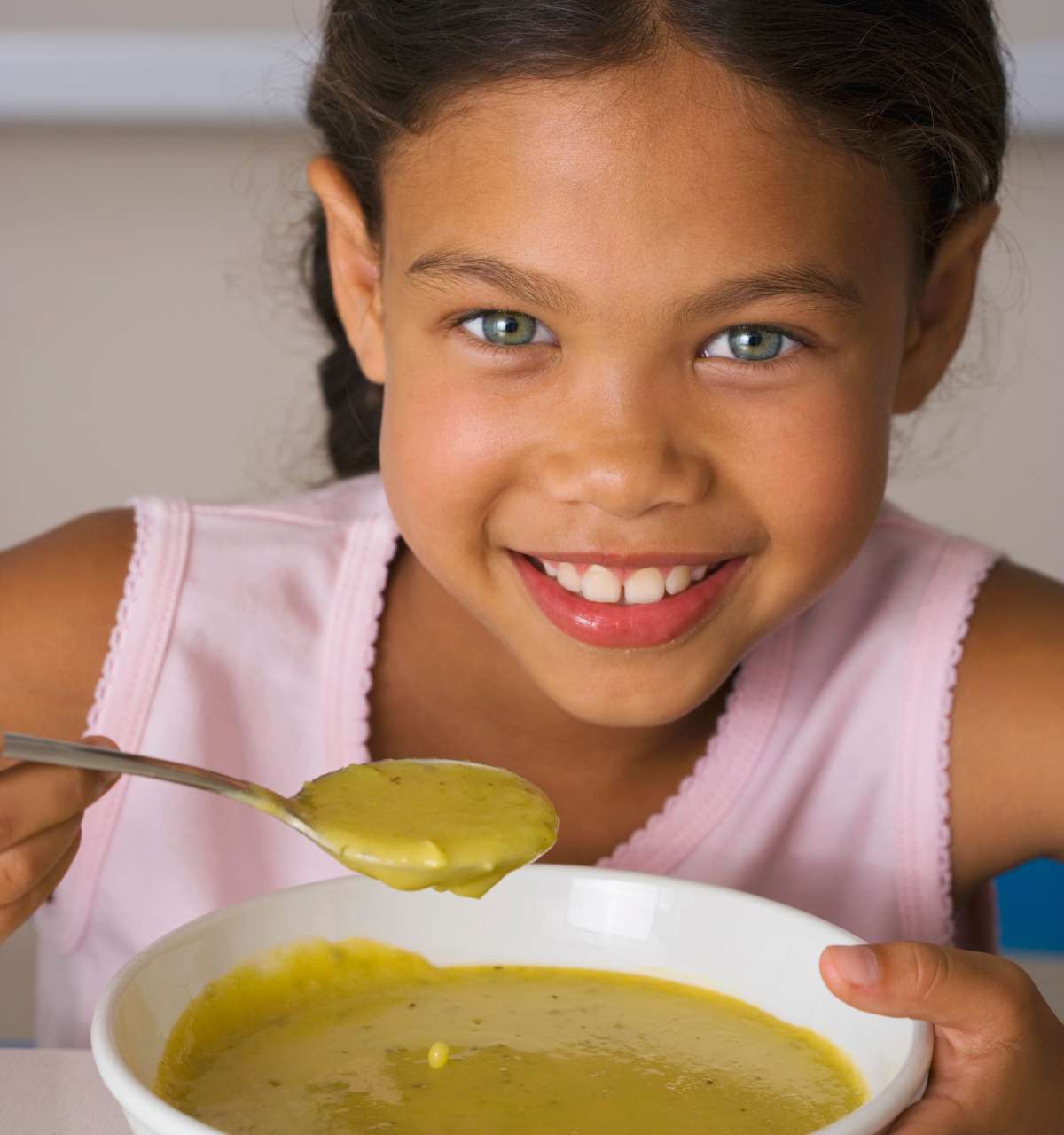
5. Soups and Stews: When preparing soups or stews, consider adding pea protein powder for an extra protein kick. It dissolves easily and won't compromise the texture of your dish. This is particularly useful for individuals who prefer savory meals over sweet options.
6. Homemade Protein Bars: Create your own protein bars using pea protein powder as a base. Combine it with ingredients like oats, nuts, seeds, and natural sweeteners. Press the mixture into a pan, refrigerate, and cut into bars for a convenient, on-the-go snack.
7. Salads and Dressings: Sprinkle pea protein over salads or mix it into salad dressings for an unexpected protein boost. This works well with green salads, grain bowls, or even pasta salads.
8. Coffee or Tea: If you enjoy a morning coffee or tea, consider incorporating pea protein by blending it into your beverage. This is a great way to infuse your hot or cold drinks with extra nutrients.

FusionX Vegan Vanilla