Wellness & Health
Corn Starch
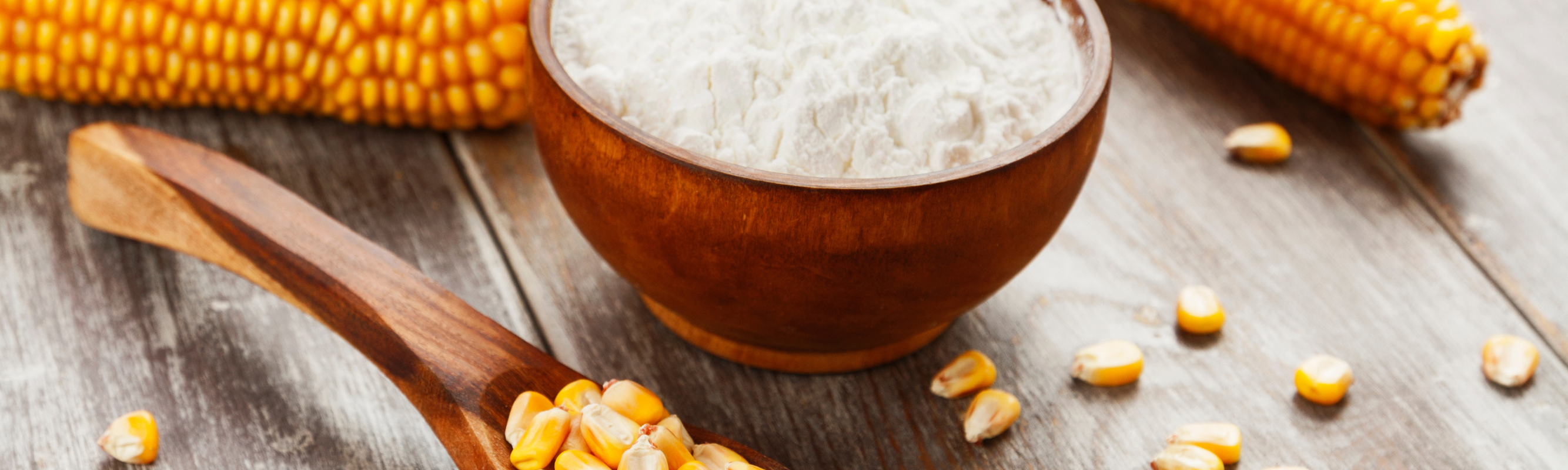
Corn starch, a powdery substance derived from the endosperm of corn kernels, is a versatile and widely used ingredient with a range of applications. It has become a staple in households, food processing, and various industries due to its unique properties and functional attributes. Let's delve into the world of corn starch and explore its uses, production, and significance.
The Benefits
Thickening Agent in Cooking:
One of the primary benefits of corn starch lies in its role as a versatile thickening agent in culinary applications. It is widely used to add consistency and body to a variety of dishes, including soups, sauces, gravies, and desserts. Its ability to create a smooth texture without altering the flavor makes it a preferred choice for chefs and home cooks alike.
Textile and Paper Industry Enhancements:
Corn starch contributes significantly to the improvement of paper and textile products. In the paper industry, it acts as a sizing agent, enhancing the printability and surface properties of paper. For textiles, corn starch is used in the sizing process, providing strength and lubrication to yarns during weaving, ultimately improving the quality of the final textile products.
Biodegradable Plastics and Environmental Sustainability:
Corn starch plays a pivotal role in the development of biodegradable plastics, offering a sustainable alternative to traditional petroleum-based plastics. As the world grapples with environmental concerns and the need for eco-friendly solutions, corn starch-based plastics provide a promising option. Derived from a renewable resource, these bioplastics contribute to reducing the environmental impact of plastic waste.
How to incorporate Corn Starch in Your Daily Routine
Incorporating corn starch into your daily life can be easy and beneficial.

Here are several ways to use corn starch in various aspects of your routine:
1. Cooking and Baking:
• Thickening Agent: Use corn starch as a thickening agent in soups, stews, sauces, and gravies. Mix it with a small amount of cold liquid before adding it to the hot mixture to prevent lumps.
• Baking: Improve the texture of baked goods by incorporating corn starch into recipes for cakes, cookies, and pastries. It can contribute to a lighter and fluffier consistency.
2. Personal Care:
• Dry Shampoo: Corn starch can be used as a DIY dry shampoo. Apply a small amount to the roots of your hair, let it sit for a few minutes, and then brush it out to absorb excess oil.
• Body Powder: Create a simple body powder by mixing corn starch with a few drops of your favorite essential oil. It can help absorb moisture and keep your skin feeling fresh.
3. Cleaning:
• Carpet Stain Remover: Mix corn starch with a bit of milk to create a paste that can be applied to carpet stains. Let it dry, then vacuum the area to lift the stain.
• Shoe Deodorizer: Sprinkle corn starch inside shoes to absorb odors and moisture. Shake it out before wearing the shoes again.
4. Health and Wellness:
• Skin Irritation Relief: Apply a paste of corn starch and water to soothe minor skin irritations, including sunburn or insect bites.
• DIY Deodorant: Mix corn starch with baking soda and coconut oil to create a natural and effective DIY deodorant.
5. Arts and Crafts:
• Paper Mache: Create a paste using corn starch and water for paper mache projects. It's a safe and easy-to-use adhesive for crafting.
• DIY Playdough: Make homemade playdough by combining corn starch, water, and food coloring. It's a fun and non-toxic alternative for kids.
6. Gardening:
• Seed Treatment: Coat seeds in a mixture of corn starch and fungicide to protect them from diseases before planting.
• Thickening Agent for Homemade Plant Sprays: Use corn starch to thicken homemade insecticides and fungicides for better adherence to plant surfaces.