Wellness & Health
Glutathione
The Benefits
Antioxidant Defense
Glutathione's primary and crucial benefit is its role as a potent antioxidant. It helps neutralize free radicals, preventing cellular damage caused by oxidative stress. By safeguarding cells and DNA from harm, glutathione supports overall health and longevity.
Detoxification Support
Another key benefit of glutathione is its involvement in detoxification processes. It aids in the neutralization and elimination of toxins, heavy metals, and harmful substances, particularly in the liver. This detoxification support is vital for maintaining a healthy and properly functioning body.
Immune System Enhancement
Glutathione plays a pivotal role in supporting the immune system. It enhances the activity of immune cells, promotes the production of cytokines, and contributes to the body's ability to fend off infections and diseases. A well-supported immune system is essential for overall health and resilience against various pathogens.
How to incorporate Glutathione in Your Daily Routine

Here are some practical ways to enhance and maintain glutathione levels:
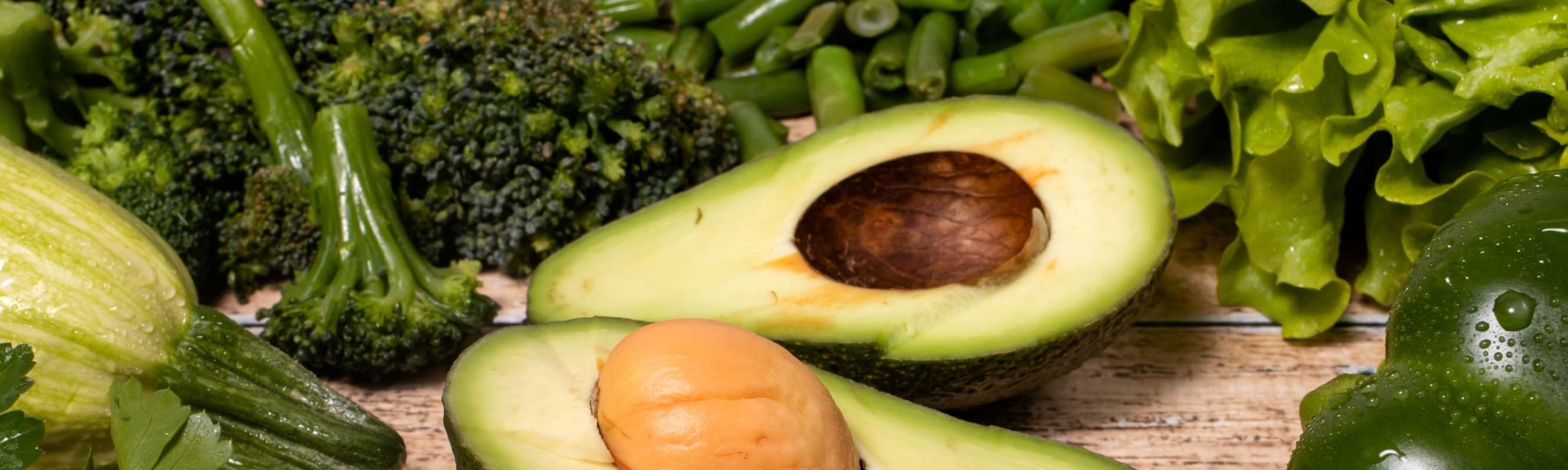
Dietary Choices: Include Sulfur-Rich Foods: Foods rich in sulfur-containing amino acids, such as cysteine, are essential for glutathione synthesis. Incorporate garlic, onions, cruciferous vegetables (broccoli, Brussels sprouts, cabbage), and lean protein sources (chicken, fish, eggs) into your diet. Consume Fruits and Vegetables: Antioxidant-rich fruits and vegetables, such as berries, citrus fruits, and leafy greens, provide additional support for overall health and can complement the action of glutathione.
Hydration: Drink Plenty of Water: Staying adequately hydrated is crucial for supporting detoxification processes in the body. Water helps flush out toxins and supports the overall health of cells and organs.
Regular Exercise: Engage in Physical Activity: Regular exercise has been associated with increased glutathione levels. Aim for a mix of aerobic and strength-training exercises to promote overall health and well-being.
Adequate Sleep: Prioritize Quality Sleep: Lack of sleep can contribute to oxidative stress. Ensure you get enough restful sleep each night to support the body's natural processes, including the production of glutathione.
Limit Exposure to Toxins: Reduce Environmental Toxins: Minimize exposure to pollutants, chemicals, and toxins in your environment. This includes avoiding smoking, reducing alcohol intake, and choosing natural cleaning and personal care products.