Wellness & Health
Copper Sulfate
The Benefits
Disease Control in Agriculture
Copper sulfate is widely used in agriculture as a fungicide and bactericide. It helps prevent and control various plant diseases such as downy mildew, apple scab, and grapevine diseases. The compound's antimicrobial properties play a crucial role in protecting crops, ensuring healthy plant growth, and contributing to increased agricultural yields.
Water Treatment and Algae Control
Copper sulfate serves as an effective tool in water treatment by controlling the growth of algae in ponds, lakes, and swimming pools. Its ability to disrupt the cellular structure of algae makes it a valuable solution for maintaining clear and clean water. Additionally, copper sulfate is used to control snail populations in aquatic environments, aiding in the preservation of balanced ecosystems.
Animal Nutrition and Livestock Health
Copper sulfate is an essential component in animal nutrition, particularly in livestock feeds. It addresses copper deficiencies in cattle and other livestock, promoting healthy growth and preventing diseases. The compound's inclusion in animal diets contributes to overall livestock well-being, highlighting its importance in the agricultural sector.
How to incorporate Copper Sulfate in Your Daily Routine

However, here are a few indirect ways in which copper, an essential trace element, can be integrated into daily life:
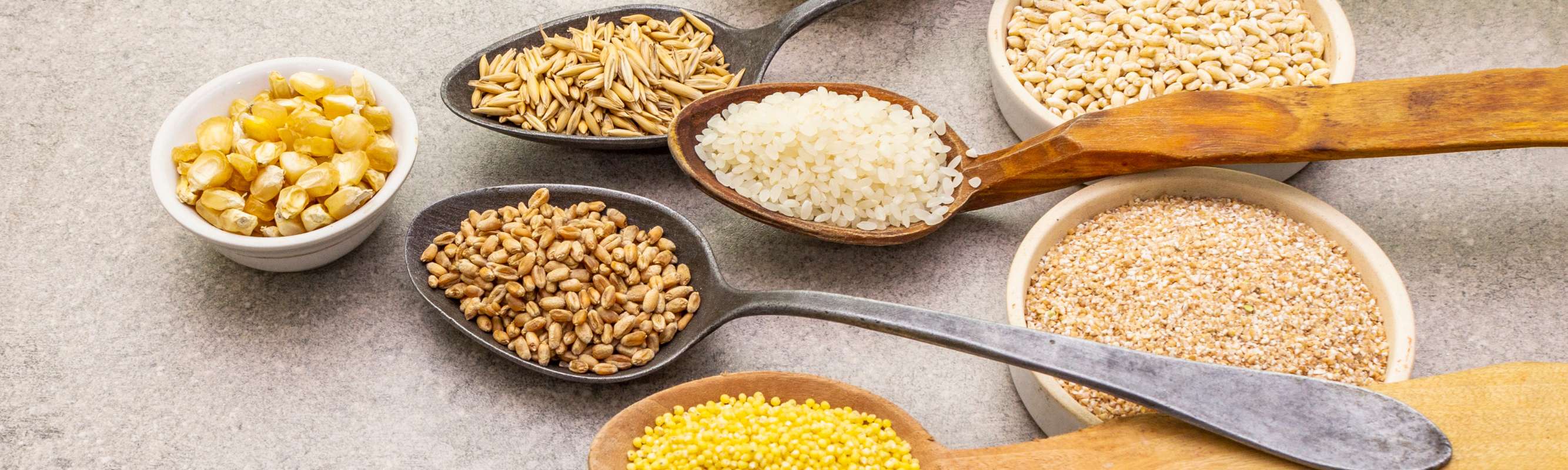
Dietary Sources: Copper is an essential mineral for the human body, and it can be obtained through a balanced diet. Foods rich in copper include nuts, seeds, whole grains, legumes, dark leafy greens, and organ meats. Ensuring a diverse and nutrient-rich diet contributes to meeting the body's copper requirements.
Copper Cookware: Using copper cookware in the kitchen can result in trace amounts of copper leaching into food. While this can contribute to the dietary intake of copper, it's important to note that excessive consumption of copper through cookware is not recommended. High levels of copper intake can lead to health issues, so moderation is key.
Supplements (Under Medical Supervision): In some cases, individuals may require copper supplements to address deficiencies. However, it's crucial to consult with a healthcare professional before taking any mineral supplements, as excessive copper intake can lead to toxicity. Self-prescribing copper supplements without proper guidance is not advisable. T
opical Applications: Copper-infused products, such as copper-infused fabrics or skincare products, are available in the market. Some claim that these products provide benefits like anti-inflammatory properties or improved skin elasticity.
However, the scientific evidence supporting these claims may vary, and individuals should approach such products with caution.