Wellness & Health
Allura Red AC 129
Allura Red AC 129, also known as Red 40, is a synthetic food dye that belongs to the azo dye family. It is one of the most widely used artificial colorants, providing a vibrant red hue to a variety of food and beverage products. While it enhances the visual appeal of many consumables, there has been ongoing debate and research regarding its safety, potential health effects, and regulatory status.
The Benefits
Enhanced Visual Appeal
One of the primary benefits of Allura Red AC 129 is its ability to enhance the visual appeal of food and beverages. The bright and attractive red hue it imparts to products makes them more visually appealing to consumers. This aesthetic enhancement is crucial in influencing consumer preferences and attracting attention on store shelves.
Stability and Versatility
Allura Red AC 129 is known for its stability and resistance to fading. This makes it a preferred choice for food manufacturers, as the color remains vibrant over time, ensuring that the appearance of the product remains consistent throughout its shelf life. The dye is also versatile and can be used in a wide range of food and beverage applications, including beverages, confectionery, baked goods, and more.
Cost-Effectiveness:
Synthetic food dyes like Allura Red AC 129 are often more cost-effective than their natural counterparts. This cost efficiency is a significant factor for manufacturers looking to produce colorful and visually appealing products at a reasonable cost. The affordability of synthetic dyes contributes to the economic feasibility of producing a variety of colorful food items that can be enjoyed by a wide range of consumers.
How to incorporate Allura Red AC 129 in Your Daily Routine
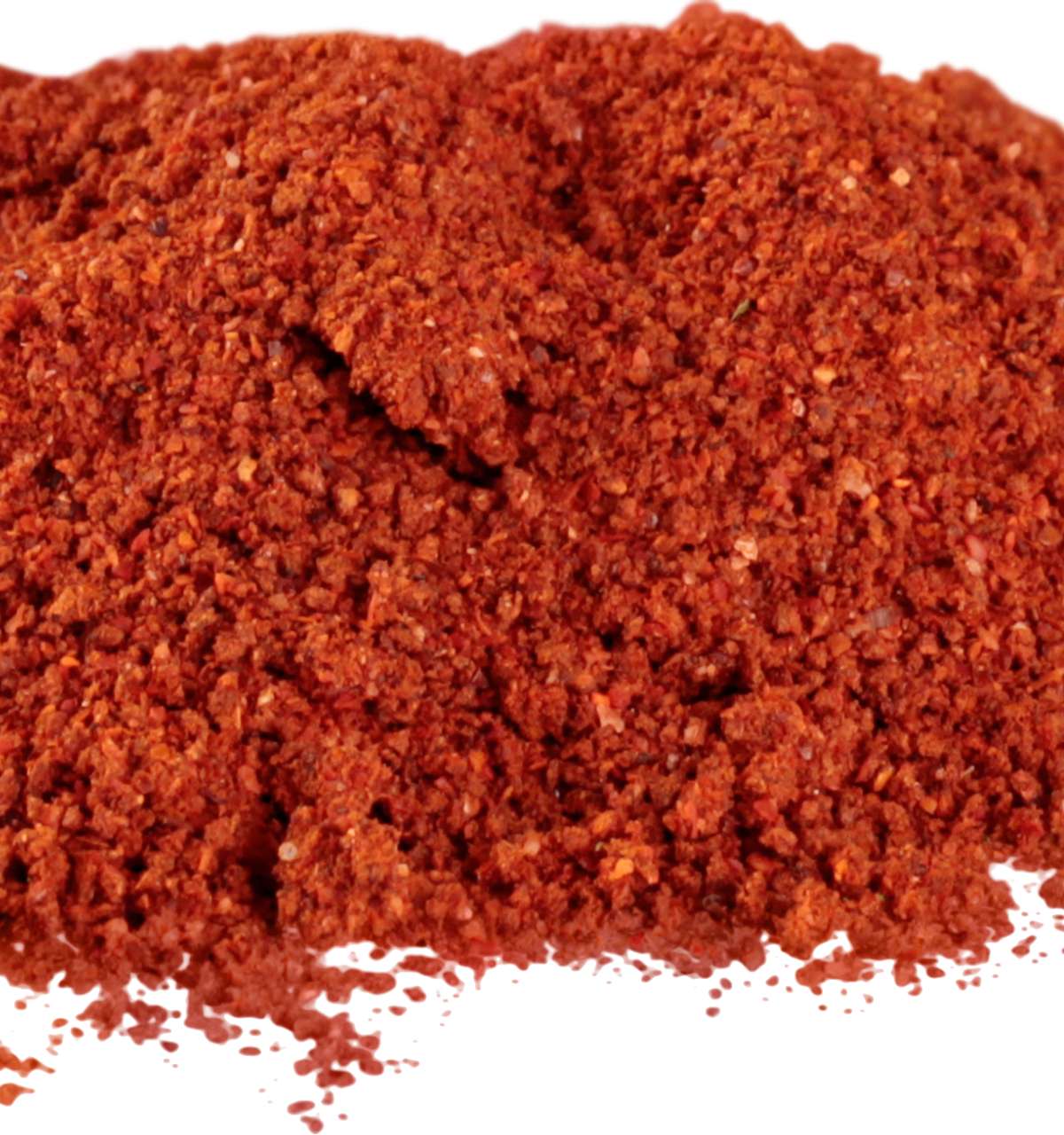
Here are some ways it may be incorporated into daily life:
1. Processed Foods:
• Allura Red AC is commonly found in processed foods such as candies, desserts, cereals, snacks, and beverages. Check the ingredient labels on packaged products to identify if they contain Allura Red AC.
2. Beverages:
• Some fruit-flavored beverages, sodas, sports drinks, and flavored water may contain Allura Red AC to enhance their color. Check the labels of these beverages to identify its presence.
3. Desserts and Sweets:
• Allura Red AC is often used in the production of sweets, including candies, gummies, and confectionery items. Be mindful of the ingredient list when consuming such treats.
4. Ice Cream and Frozen Treats:
• Certain ice creams, popsicles, and frozen desserts may contain Allura Red AC for color enhancement. Check the packaging for the inclusion of this food dye.
5. Baked Goods:
• Allura Red AC may be used in the production of baked goods, including cakes, cookies, and pastries. Examine the ingredient list to determine if it's present.
It's important to be aware of your tolerance and potential sensitivities to food dyes. Some individuals may experience adverse reactions, such as allergic reactions or hyperactivity, after consuming artificial food dyes. If you have concerns or specific health conditions, it's advisable to consult with a healthcare professional or a registered dietitian for personalized guidance. Additionally, choosing a diet rich in naturally vibrant fruits and vegetables can be an alternative way to add color to your meals without relying on artificial food dyes.