Wellness & Health
Lutein (10%)
The Benefits
Macular Health and Vision Protection
Lutein, particularly in its concentrated 10% formulation, plays a crucial role in maintaining macular health. The macula is a small but essential part of the retina responsible for central vision. By forming a protective layer in the macula, lutein acts as a natural filter, shielding the eyes from harmful high-energy light, including blue light from digital screens. This protection is vital for preventing age-related macular degeneration (AMD), a leading cause of vision loss among older adults.
Antioxidant Defense Against Oxidative Stress
Lutein, as an antioxidant, helps combat oxidative stress by neutralizing free radicals in the body. The eyes are particularly susceptible to oxidative damage due to their exposure to light and high metabolic activity. The 10% formulation of lutein enhances its antioxidant potency, providing robust protection against cellular damage. By reducing oxidative stress, lutein supports overall eye health and contributes to the prevention of conditions like cataracts, which can be exacerbated by free radical damage.
Visual Function Enhancement
Studies suggest that lutein supplementation, especially at a concentrated 10% level, may contribute to improved visual function. This can include enhancements in contrast sensitivity, glare recovery, and other aspects of visual acuity. By supporting the health of the macula and preserving the integrity of ocular tissues, lutein positively influences various aspects of vision. These benefits are not only relevant for individuals with existing eye conditions but also for those looking to maintain optimal visual performance in their daily lives.
How to incorporate Lutein (10%) in Your Daily Routine
Incorporating lutein, especially in its 10% formulation, into your daily routine can be done through dietary choices and, if needed, with supplements.

Here are some practical ways to ensure you're getting an adequate amount of lutein for optimal eye health
Include Lutein-Rich Foods in Your Diet:
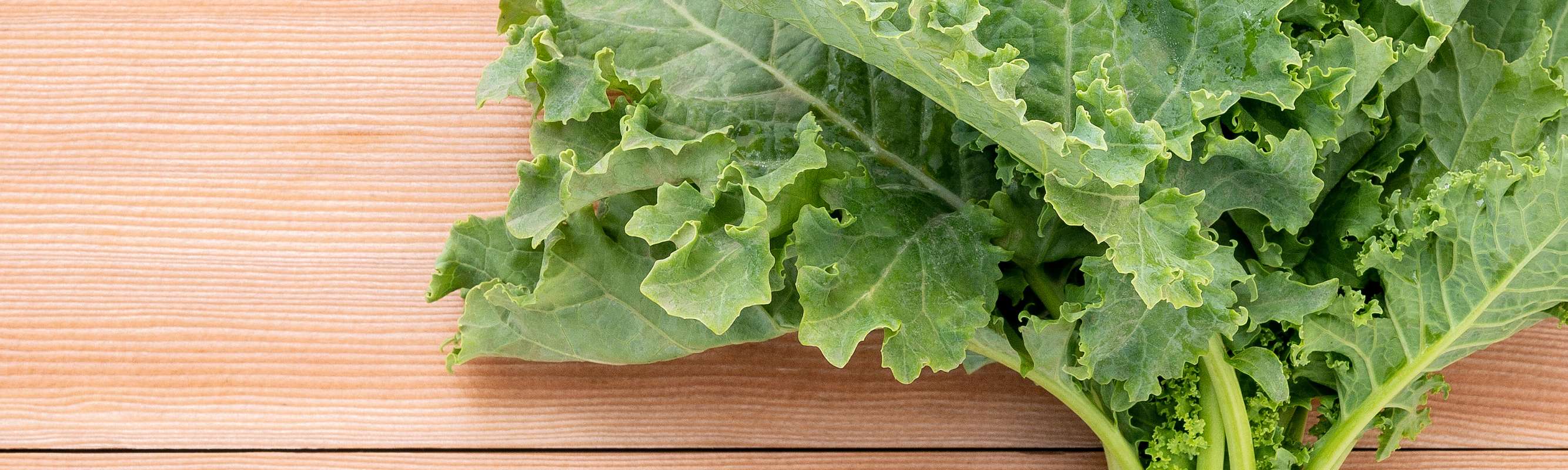
- Leafy Greens: Spinach, kale, collard greens, and Swiss chard are excellent sources of lutein. Incorporate these into salads, smoothies, or sautés.
- Broccoli and Brussels Sprouts: These cruciferous vegetables also contain lutein. Add them to stir-fries or roast them for a tasty side dish.
- Eggs: Egg yolks are a good source of lutein. Enjoy eggs as part of a balanced breakfast or include them in various recipes.
Prepare Lutein-Boosted Recipes:
- Smoothies: Blend leafy greens like spinach or kale into your morning smoothie. Add fruits like kiwi or grapes for extra flavor and nutrients.
- Salads: Create vibrant salads by combining a variety of colorful vegetables, including leafy greens, peppers, and tomatoes.
Choose Lutein Supplements: If obtaining sufficient lutein from your diet is challenging, consider lutein supplements in the 10% formulation. Consult with a healthcare professional before starting any supplementation to determine the appropriate dosage for your individual needs.
Read Labels and Choose Fortified Foods: Check product labels for lutein content, especially in fortified foods. Some products, such as certain types of orange juice or cereal, may be enriched with lutein to boost your intake.
Cook with Lutein-Rich Oils: Choose cooking oils that contain lutein, such as marigold oil. Use these oils in your everyday cooking to infuse your meals with this beneficial carotenoid.
Practice Balanced Nutrition: A well-rounded, balanced diet contributes to overall eye health. Ensure that your meals include a variety of fruits, vegetables, whole grains, lean proteins, and healthy fats.
Protect Your Eyes from UV and Blue Light: While not a direct way to incorporate lutein, protecting your eyes from harmful UV rays and excessive blue light exposure can complement lutein's benefits. Consider wearing sunglasses with UV protection and using blue light filters on digital devices.
Remember, consistency is key when it comes to incorporating lutein into your daily routine. By making small, sustainable changes to your diet and lifestyle, you can support your eye health and potentially enjoy the benefits of this powerful antioxidant.