Wellness & Health
Folic Acid
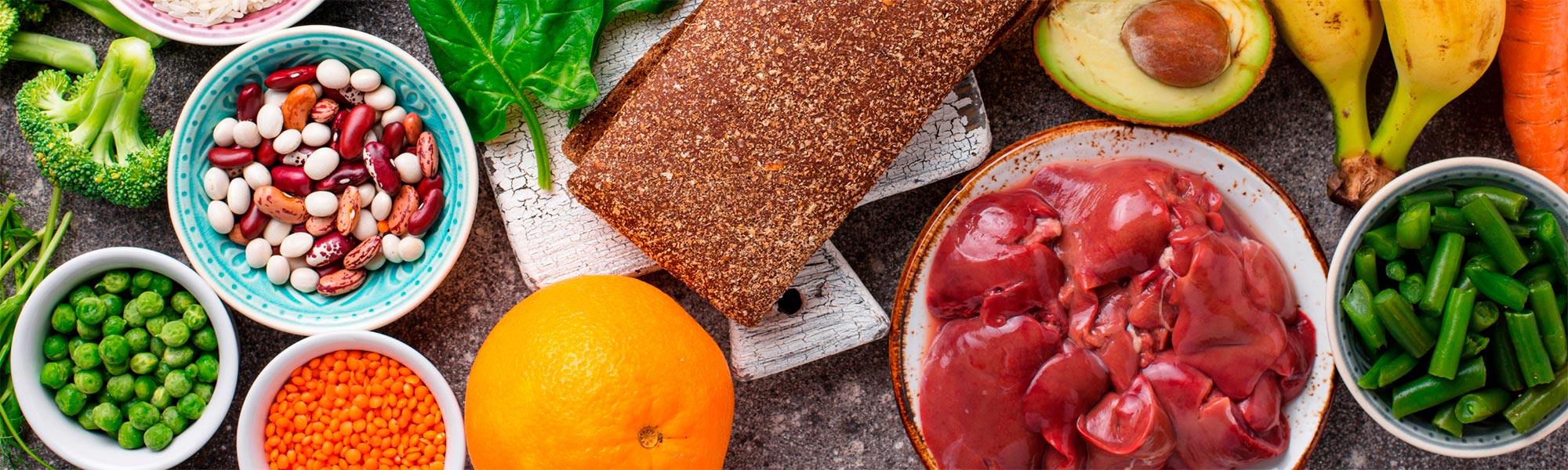
Folic acid, also known as folate or vitamin B9, is a water-soluble B-vitamin that plays a crucial role in various bodily functions. It is essential for the synthesis of DNA, cell division, and the formation of red blood cells. While it is commonly associated with pregnancy and fetal development, folic acid offers a plethora of health benefits for individuals of all ages. Sources of Folic Acid: Folic acid is naturally found in various foods, and it can also be obtained through supplements. Some excellent dietary sources include dark leafy greens (such as spinach and kale), legumes, fortified cereals, citrus fruits, avocados, and nuts. While it is important to incorporate these foods into a balanced diet, some individuals may still require supplements, especially pregnant women, as the demand for folic acid increases during pregnancy.
The Benefits
Neural Tube Defect Prevention in Pregnancy
Perhaps the most well-known benefit of folic acid is its crucial role in preventing neural tube defects (NTDs) during early pregnancy. The neural tube develops into the brain and spinal cord of the fetus, and insufficient folic acid during the early stages of pregnancy can lead to serious abnormalities in these structures. Adequate folic acid intake before conception and during the early weeks of pregnancy significantly reduces the risk of NTDs, underscoring the importance of this vitamin for the health and development of the unborn child.
Cardiovascular Health Support
Folic acid is associated with cardiovascular health, particularly in its ability to regulate homocysteine levels in the blood. Elevated levels of homocysteine are a known risk factor for cardiovascular diseases. Folic acid helps break down homocysteine, potentially reducing the risk of heart disease and stroke. While more research is needed to establish a clear causal relationship, the cardiovascular benefits of folic acid highlight its broader impact on health beyond pregnancy.
Mental Health and Cognitive Function
Folate, the active form of folic acid, is crucial for various neurological functions, including the synthesis and regulation of neurotransmitters. Emerging research suggests a potential link between adequate folate levels and mental health. Folic acid may play a role in preventing conditions like depression and supporting cognitive function. While the relationship between folic acid and mental health is still being explored, the evidence highlights the importance of this vitamin in maintaining overall well-being, beyond its traditional associations with pregnancy.
How to incorporate Folic Acid in Your Daily Routine
There are several ways to ensure an adequate intake of Folic Acid.

Here are some ways to ensure you're getting enough folic acid in your daily regimen:
Consume Folate-Rich Foods: Folate is the natural form of folic acid found in foods. Include folate-rich foods in your daily diet, such as leafy green vegetables (spinach, kale, collard greens), legumes (lentils, chickpeas, black beans), citrus fruits (oranges, grapefruits), avocados, broccoli, asparagus, and fortified cereals.
Cook with Folate-Rich Ingredients: Incorporate folate-rich ingredients into your cooking and meal preparation. Add spinach and other leafy greens to salads, sandwiches, wraps, and smoothies. Use beans and lentils in soups, stews, salads, and side dishes. Experiment with recipes that feature folate-rich vegetables and legumes as main ingredients.
Choose Whole Grains: Opt for whole grain products such as whole wheat bread, brown rice, quinoa, barley, and whole grain pasta, which contain more nutrients including folic acid compared to refined grains.
Eat Fruits and Vegetables: Include a variety of fruits and vegetables in your daily meals and snacks. Aim for a colorful assortment to ensure you're getting a range of vitamins and minerals, including folic acid. Incorporate fruits like oranges, strawberries, papayas, and bananas into your breakfast or snacks, and enjoy vegetables like broccoli, Brussels sprouts, and bell peppers with your main meals.
Plan Balanced Meals: Plan balanced meals that include a combination of protein sources, carbohydrates, healthy fats, and plenty of fruits and vegetables. By eating a varied and nutritious diet, you're more likely to consume adequate amounts of folic acid and other essential nutrients.
Limit Alcohol Consumption: Excessive alcohol consumption can interfere with the body's ability to absorb and utilize folic acid. If you drink alcohol, do so in moderation, or consider abstaining altogether, especially if you're pregnant or planning to become pregnant.
Consult with a Healthcare Professional: If you have specific dietary concerns or health conditions that may affect your folic acid intake, consult with a healthcare professional or registered dietitian. They can provide personalized recommendations based on your individual needs.
By incorporating these strategies into your daily routine, you can ensure that you're getting enough folic acid to support overall health and well-being.

Essential Man